
Epidural Injection
What is an Epidural Injection?
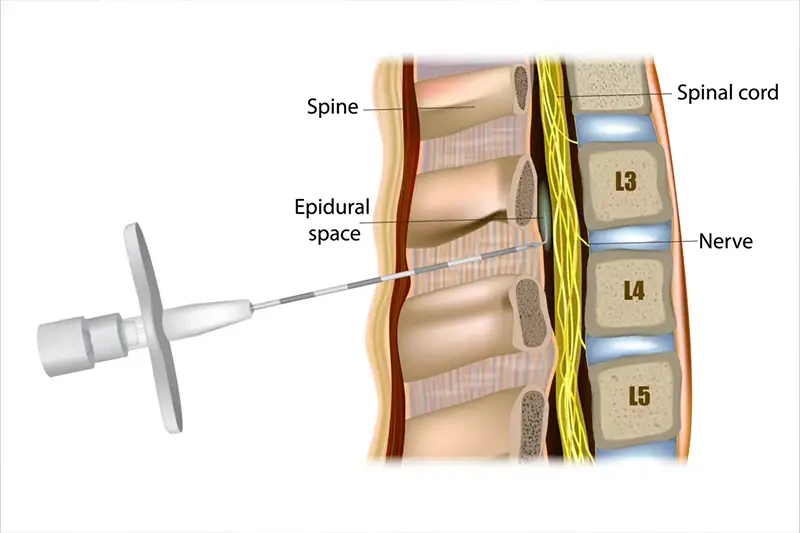
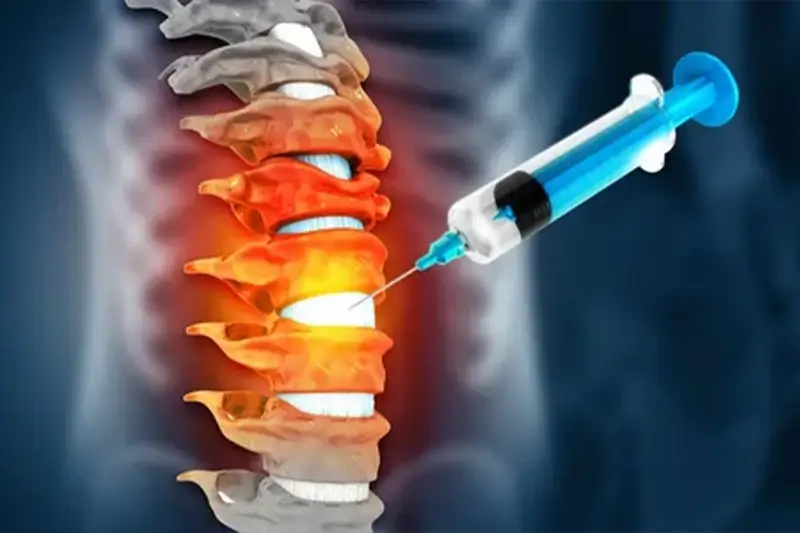
An Epidural Injection is a minimally invasive pain management procedure in which anti-inflammatory medication is delivered into the epidural space surrounding the spinal nerves.
The procedure is commonly used to reduce inflammation, relieve nerve irritation, and alleviate pain caused by conditions affecting the cervical (neck), thoracic (mid-back), or lumbar (lower back) spine.
Epidural injections are often recommended when conservative treatments such as medication and physical therapy have not provided sufficient relief.
We’d Love to Help.
Fill the Form and We’ll Be in Touch

How Does an Epidural Injection Work?
The injection delivers medication directly to the area around irritated spinal nerves.
- Reduce inflammation around nerve roots
- Relieve nerve compression symptoms
- Decrease pain in the neck, back, arms, or legs
- Improve mobility and function
- Support participation in rehabilitation programs
Contact Us Today!
Your path to a healthier life starts here—contact us and let’s take the first step together.
Conditions Treated
Epidural injections may be recommended for:
- Lumbar disc herniation
- Cervical disc herniation
- Sciatica
- Spinal stenosis
- Degenerative disc disease
- Nerve root irritation (radiculopathy)
- Chronic neck and back pain
Goals of Treatment
The primary goals of treatment include:
- Reducing pain and inflammation
- Relieving nerve irritation
- Improving mobility and function
- Supporting participation in physical therapy
- Reducing the need for pain medications
- Delaying or avoiding surgery when appropriate
Treatment Process
Epidural injections are usually performed as outpatient procedures.
- Clinical evaluation and imaging review
- Local anesthesia of the treatment area
- Image-guided needle placement using fluoroscopy or ultrasound
- Injection of medication into the epidural space
- Short observation period following treatment
The procedure typically takes between 15 and 30 minutes.
Who Can Benefit?
Epidural injections may be suitable for:
- Patients with disc-related nerve pain
- Individuals with sciatica
- Patients with spinal stenosis
- Individuals experiencing arm or leg pain due to nerve compression
- Patients seeking non-surgical pain management options
Recovery and Rehabilitation
Most patients can return to light daily activities within 24 hours.
For optimal long-term outcomes, epidural injections are often combined with:
- Exercise therapy
- Spine rehabilitation programs
- Core strengthening exercises
- Postural training
- Functional rehabilitation
Combining pain relief with rehabilitation helps address the underlying cause of symptoms and improve long-term spinal health.
Frequently Asked Questions (FAQ)
No. It is a minimally invasive outpatient procedure and does not require surgery.
Most patients experience only mild discomfort, as local anesthesia is typically used.
Relief varies between individuals and may last from several weeks to several months.
Some patients experience relief within a few days, while others may notice gradual improvement over one to two weeks.
In some patients, it can significantly reduce symptoms and help delay or avoid surgery.
Yes. Depending on the patient's condition and response, repeat injections may be considered when medically appropriate.
