
Spine Rehabilitation
What Is Spine Rehabilitation?
Restore Movement, Reduce Pain, Rebuild Your Life
Spinal problems don’t just cause pain. They affect how you move, sleep, work, and live. Whether the issue comes from injury, posture, aging, or chronic conditions, proper rehabilitation is the key to long term recovery not just temporary relief.
At Medworld Clinic, spine rehabilitation is designed as a personalized journey. The focus is not only on reducing pain but on restoring strength, improving mobility, and helping patients return to an active, balanced life.
We’d Love to Help.
Fill the Form and We’ll Be in Touch
Why Spine Rehabilitation Matters
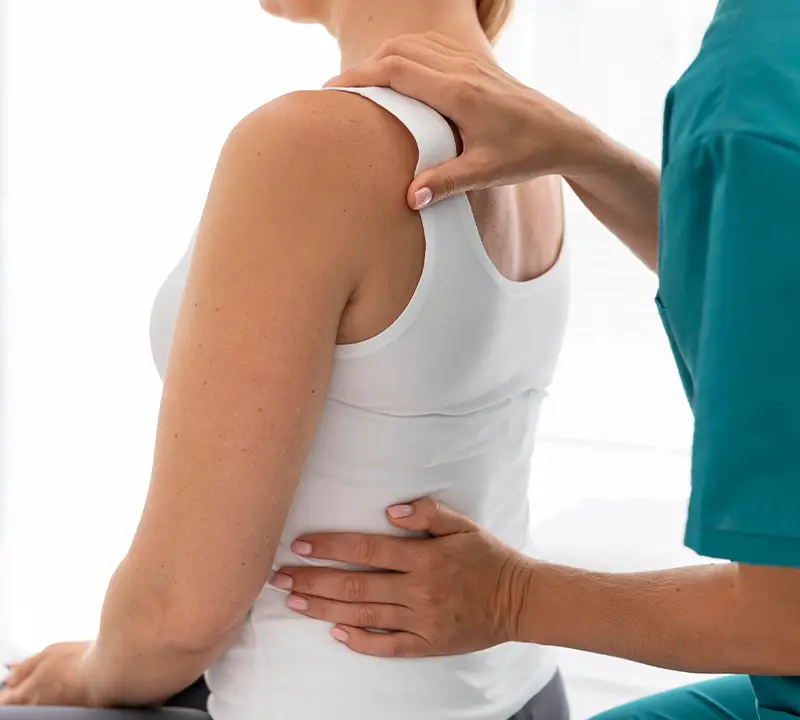
The spine is the central support system of the body. When it is affected, even simple daily movements can become difficult or painful.
- Restore proper movement patterns
- Strengthen the muscles supporting the spine
- Reduce pressure on discs and nerves
- Improve posture and body alignment
- Prevent recurring pain episodes
- Support long term spinal health
Without proper rehabilitation, many spinal conditions tend to return or worsen over time.
Contact Us Today!
Your path to a healthier life starts here—contact us and let’s take the first step together.
Conditions We Commonly Treat
Spine rehabilitation can benefit a wide range of conditions, including:
- Herniated disc
- Chronic low back pain
- Neck pain and cervical issues
- Sciatica
- Postural disorders
- Spinal degeneration
- Muscle imbalances
- Post surgery recovery
Each condition requires a different approach, which is why personalized planning is essential.
A Closer Look at the Process
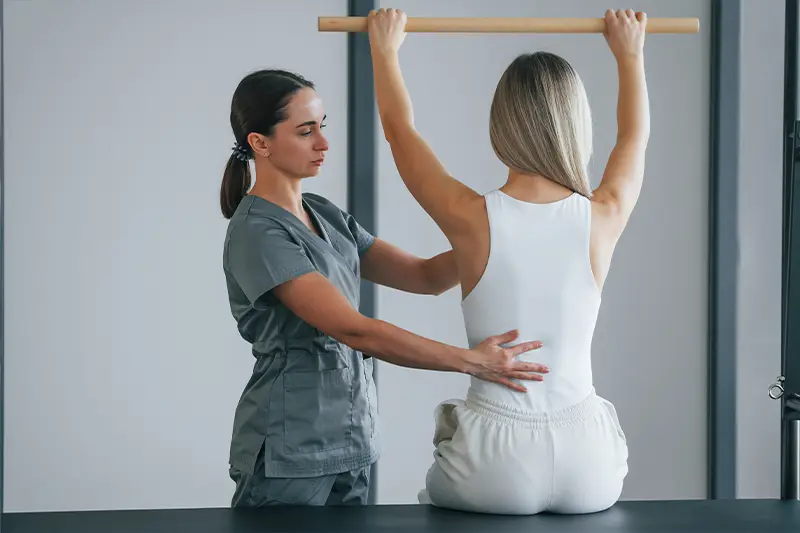
Spine rehabilitation is not a one size fits all treatment. It is a structured and progressive process tailored to each individual.
- Step 1: In Depth Assessment : We begin by understanding how your body moves, where the pain originates, and what limitations exist. This includes posture analysis, mobility testing, and muscle evaluation.
- Step 2: Identifying the Root Cause : Instead of focusing only on symptoms, we identify the underlying factors such as weak core muscles, poor movement habits, or spinal instability.
- Step 3: Personalized Therapy Plan : A tailored rehabilitation plan is created based on your condition, lifestyle, and goals.
- Step 4: Progressive Recovery : As your body improves, the program evolves. Exercises and therapies are gradually adjusted to rebuild strength and prevent future injury.

What Makes Our Approach Different
Spine rehabilitation at Medworld is not just about exercises or short term treatment sessions.
It is about:
- Understanding the whole body, not just the painful area
- Combining medical expertise with lifestyle guidance
- Creating sustainable results, not temporary fixes
- Supporting both physical and mental well being
This integrated approach helps patients achieve long lasting improvement.
Treatment Approaches We Use
At Medworld Clinic, spine rehabilitation combines modern physiotherapy with supportive wellness therapies.
- Targeted Exercise Therapy: Focused movements designed to strengthen core muscles, improve flexibility, and stabilize the spine.
- Manual Therapy Techniques : Hands on treatments that help release tension, improve joint mobility, and reduce stiffness.
- Posture Re-Education : Training your body to move correctly in daily life, whether sitting, standing, or lifting.
- Neuromuscular Training : Improving coordination between muscles and nerves to support better movement control.
- Advanced Therapy Modalities : Including electrotherapy, muscle stimulation, and supportive technologies to enhance recovery.
- Complementary Wellness Therapies : Massage, stretching, and relaxation techniques to support both physical and mental recovery.
What You Can Expect
Patients undergoing spine rehabilitation often experience:
- Reduced pain and discomfort
- Improved flexibility and mobility
- Better posture and body awareness
- Increased strength and stability
- Enhanced confidence in movement
- A return to daily activities without limitation
Recovery is not just about feeling better. It is about moving better.
When Should You Consider Spine Rehabilitation?
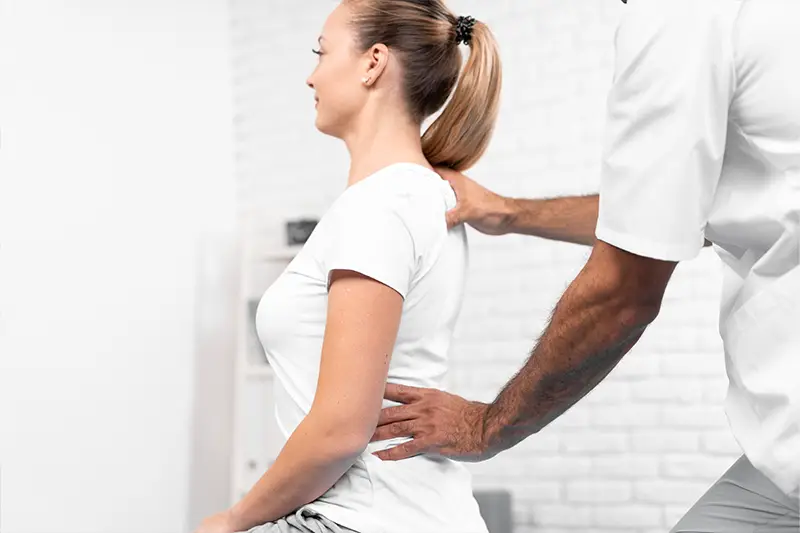
You may benefit from spine rehabilitation if:
- You have ongoing back or neck pain
- Pain returns frequently after short relief
- You feel stiffness or limited mobility
- You spend long hours sitting or working at a desk
- You are recovering from a spinal injury or surgery
- You want to prevent future spinal problems
Early intervention often leads to faster and more effective results.
Frequently Asked Questions (FAQ)
No. It is suitable for both mild discomfort and more complex spinal problems. Early rehabilitation can prevent conditions from becoming chronic.
The duration depends on the condition and individual progress. Some patients improve within weeks, while others may require a longer structured program.
Most treatments are designed to reduce pain, not increase it. Some mild discomfort may occur during exercises, but it is carefully managed by specialists.
In many cases, yes. Proper rehabilitation can significantly reduce symptoms and improve function, helping patients avoid surgical intervention.
Not necessarily. In fact, part of rehabilitation focuses on helping you safely return to your daily routine with better movement habits.
