
Tennis Elbow & Golfer’s Elbow Treatment
What are Tennis Elbow and Golfer's Elbow?
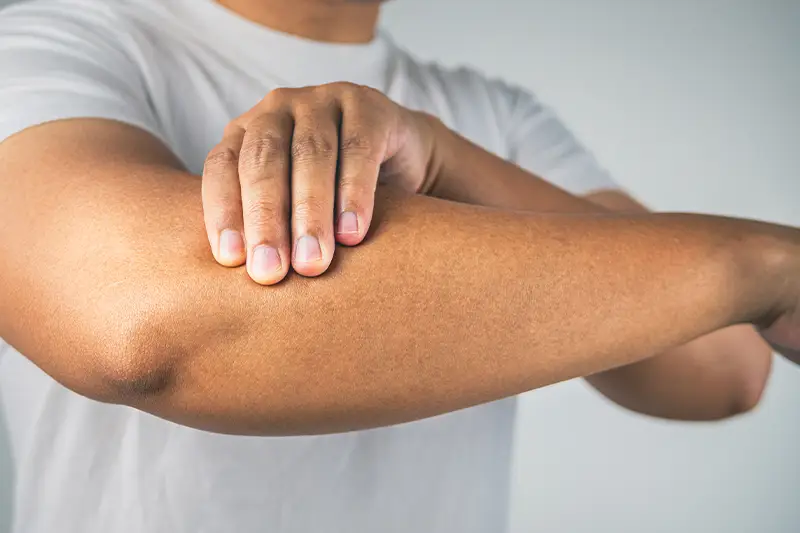
Tennis Elbow (Lateral Epicondylopathy) and Golfer’s Elbow (Medial Epicondylopathy) are common overuse injuries affecting the tendons around the elbow.
These conditions develop when repetitive stress causes irritation and degeneration of the tendons that attach to the elbow. Tennis Elbow typically causes pain on the outer side of the elbow, while Golfer’s Elbow affects the inner side.
Both conditions can significantly impact grip strength, arm function, and daily activities.
We’d Love to Help.
Fill the Form and We’ll Be in Touch

Symptoms
Common symptoms include:
- Pain around the elbow
- Tenderness over the affected tendon area
- Reduced grip strength
- Pain during lifting, gripping, or twisting movements
- Discomfort during wrist movements
- Difficulty performing daily activities and work-related tasks
Contact Us Today!
Your path to a healthier life starts here—contact us and let’s take the first step together.
Causes and Risk Factors
Tennis Elbow and Golfer’s Elbow may develop due to:
- Repetitive hand, wrist, and arm movements
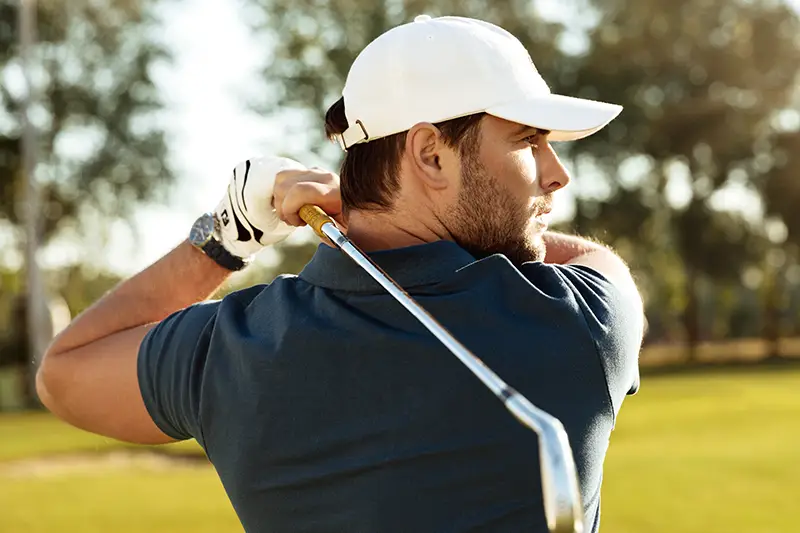
- Sports activities such as tennis, golf, padel, and racquet sports
- Prolonged computer and mouse use
- Manual labor and repetitive occupational tasks
- Poor ergonomics and movement patterns
- Excessive tendon loading and overuse
Goals of Treatment
The primary goals of treatment include:
- Reducing pain and tendon irritation
- Supporting tendon recovery and adaptation
- Restoring grip strength and arm function
- Improving mobility and movement quality
- Preventing recurrence and future tendon overload
- Supporting a safe return to work, sports, and daily activities
Treatment Approach
Most patients can achieve significant improvement without surgery through conservative rehabilitation methods.
- Exercise therapy, particularly eccentric and progressive loading exercises
- Manual therapy
- Electrotherapy and advanced physical therapy modalities
- Dry needling (when appropriate)
- Shockwave Therapy (ESWT) when indicated
- PRP and regenerative therapies (when appropriate)
- Activity modification and ergonomic education
- Functional rehabilitation programs
Who Can Benefit?
This treatment program is suitable for:
- Individuals experiencing elbow pain
- Athletes and recreational sports participants
- Office workers and computer users
- Manual workers performing repetitive arm movements
- Individuals seeking non-surgical treatment options
Treatment Process
The duration of treatment depends on symptom severity, tendon involvement, and individual healing capacity.
Many patients experience noticeable improvement within several weeks of structured rehabilitation. Early intervention and adherence to treatment recommendations contribute significantly to successful outcomes.
Frequently Asked Questions (FAQ)
Mild cases may improve with rest and activity modification, but many patients benefit from professional treatment to achieve faster and more complete recovery.
PRP may provide supportive benefits in selected patients depending on the severity and chronicity of the tendon condition.
Yes. Progressive tendon-loading exercises are one of the most important components of treatment and long-term recovery.
Many patients notice improvement within several weeks, although recovery time varies depending on the severity and duration of symptoms.
Yes. However, proper rehabilitation, ergonomic adjustments, and gradual return to activity can significantly reduce the risk of recurrence.
No. The vast majority of patients recover successfully with conservative rehabilitation and do not require surgery.
