
Dry Needling
What is Dry Needling?
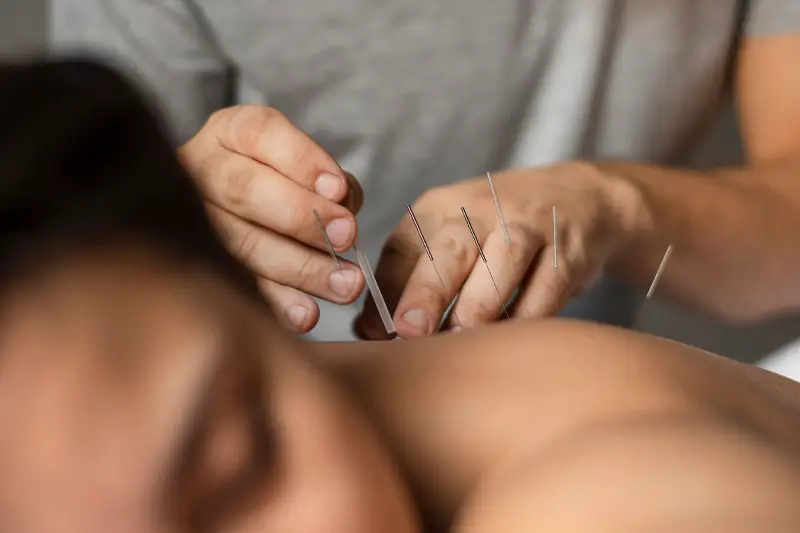
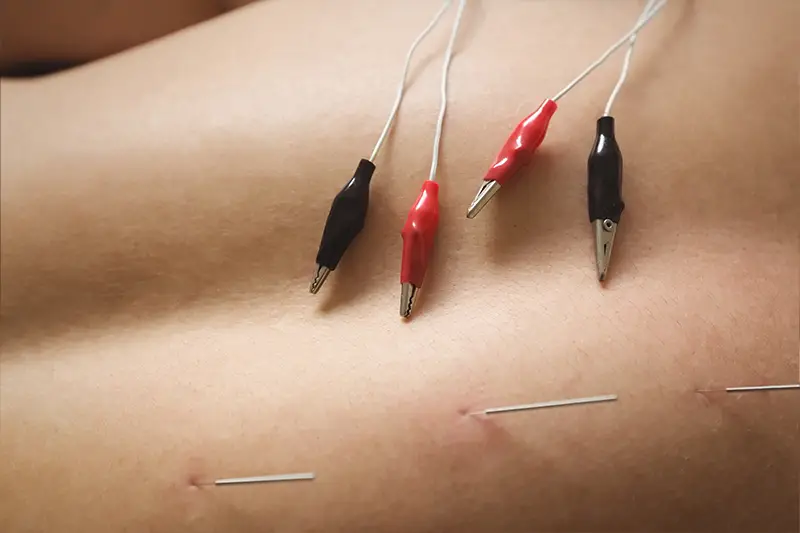
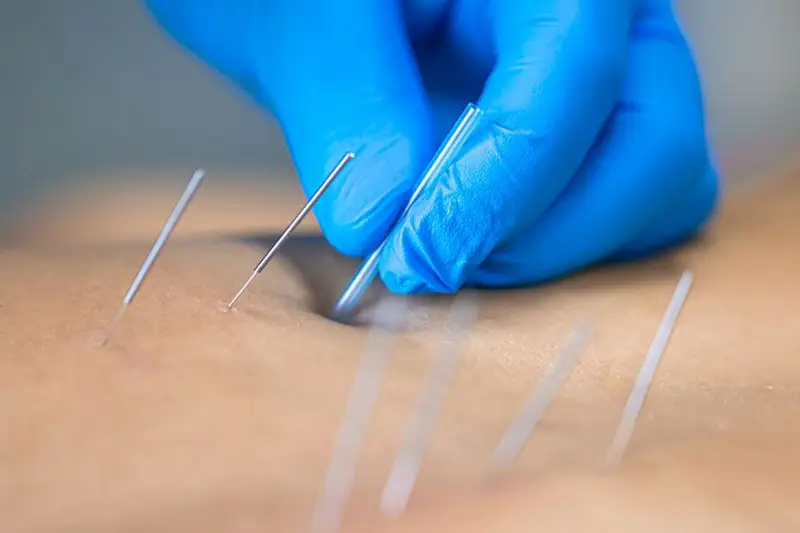
Dry needling is a specialized physical therapy technique that involves inserting thin, sterile needles into myofascial trigger points and dysfunctional muscle tissue to reduce pain, relieve muscle tension, and improve movement.
Unlike acupuncture, which is based on Traditional Chinese Medicine principles, dry needling is grounded in modern anatomy, neurophysiology, and evidence-based rehabilitation practices.
We’d Love to Help.
Fill the Form and We’ll Be in Touch
Mechanism of Action
Dry needling produces both local and neurophysiological effects within the treated muscles:
- Releasing muscle spasms and tight bands
- Deactivating myofascial trigger points
- Improving local blood circulation
- Modulating pain signals within the nervous system
- Reducing muscle tension and sensitivity
- Enhancing muscle function and mobility
These effects help decrease pain and support functional recovery.
Contact Us Today!
Your path to a healthier life starts here—contact us and let’s take the first step together.
Conditions Treated
Dry needling may be beneficial for:
- Myofascial pain syndrome
- Muscle spasms and tightness
- Neck pain
- Lower back pain
- Shoulder pain
- Sports-related injuries
- Tendinopathies
- Muscle tension associated with fibromyalgia
- Movement dysfunctions caused by trigger points
Goals of Treatment
The primary goals of dry needling include:
- Reducing muscle tension and trigger point activity
- Managing pain and discomfort
- Improving muscle function
- Increasing range of motion and flexibility
- Supporting tissue recovery and rehabilitation
- Enhancing overall movement quality
Treatment Process
Dry needling is performed by a trained physiotherapist following a detailed clinical assessment:
- Trigger points and affected muscles are identified
- Thin, sterile, single-use needles are inserted into specific areas
- Needle placement may produce a brief twitch response within the muscle
- Sessions typically last between 10 and 20 minutes
- Mild soreness may occur for 24 to 48 hours after treatment
The treatment plan is customized according to the patient’s condition and rehabilitation goals.
Who Can Benefit?
Dry needling is suitable for:
- Individuals experiencing muscle-related pain
- Patients with myofascial trigger points
- Athletes recovering from muscle injuries
- People with restricted mobility due to muscle tension
- Individuals undergoing musculoskeletal rehabilitation
Precautions
Dry needling should be used with caution or may not be appropriate in the following situations:
- Bleeding disorders
- Use of anticoagulant medications
- Severe needle phobia
- Active infections
- Pregnancy (certain areas should be avoided)
- Lack of informed consent

The Medworld Approach
At Medworld Health & Rehabilitation Center, dry needling is integrated into personalized rehabilitation programs following a comprehensive clinical evaluation.
Our goal is to reduce muscle tension, relieve pain, restore movement, and support long-term functional recovery through evidence-based treatment approaches.
Frequently Asked Questions (FAQ)
Most patients experience only a mild prick sensation. A brief muscle twitch response may occur, which is considered a normal part of treatment.
Some patients experience relief after the first session, while others may require multiple sessions depending on the condition.
The number of sessions varies according to the severity and duration of symptoms.
Temporary soreness, mild bruising, or tenderness may occur after treatment and usually resolves within a few days.
No. Dry needling targets muscles and trigger points based on modern medical principles, whereas acupuncture is based on Traditional Chinese Medicine concepts.
Yes. It is often combined with exercise therapy, manual therapy, electrotherapy, and other rehabilitation techniques for optimal results.
