
Rheumatic Disease Rehabilitation
What Is Rheumatic Disease Rehabilitation?
Managing Chronic Pain, Restoring Mobility, Improving Daily Life
Rheumatic diseases are long term conditions that can affect joints, muscles, and connective tissues. They often bring persistent pain, stiffness, fatigue, and reduced mobility. While these conditions may not always be fully cured, the right rehabilitation approach can significantly improve quality of life and help patients stay active and independent.
At Medworld Clinic, rheumatic disease rehabilitation focuses on controlling symptoms, protecting joint function, and supporting patients with a structured and personalized care plan.
We’d Love to Help.
Fill the Form and We’ll Be in Touch

Living with Rheumatic Conditions
Rheumatic diseases are not just about joint pain. They can influence how the entire body feels and functions.
Many patients experience:
- Morning stiffness and joint swelling
- Ongoing fatigue and low energy
- Reduced range of motion
- Muscle weakness
- Flare ups that come and go
- Difficulty with daily activities
Rehabilitation helps patients better manage these symptoms and maintain a more active lifestyle.
Contact Us Today!
Your path to a healthier life starts here—contact us and let’s take the first step together.
Conditions We Support
Rheumatic rehabilitation can benefit individuals diagnosed with:
- Rheumatoid arthritis
- Osteoarthritis
- Ankylosing spondylitis
- Fibromyalgia
- Lupus
- Psoriatic arthritis
- Chronic inflammatory joint conditions
Each condition requires a careful and individualized approach to treatment.
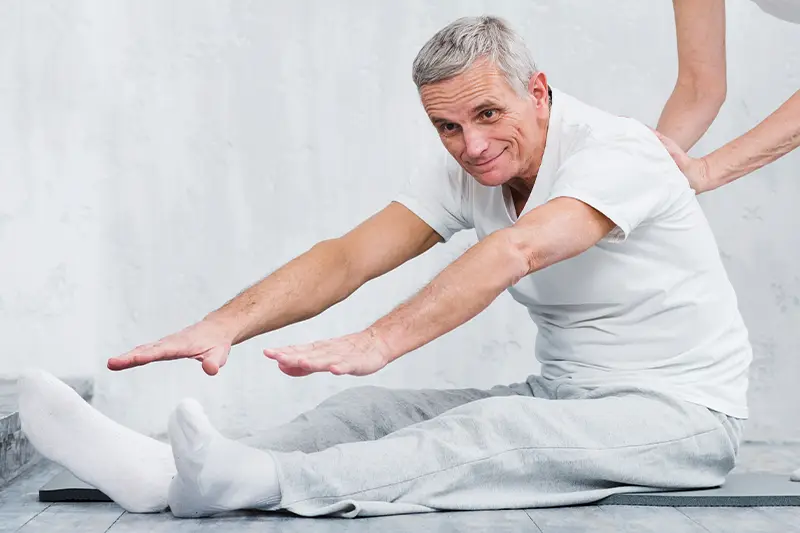
How the Rehabilitation Process Works
- Individual Assessment : We evaluate joint mobility, pain levels, muscle strength, posture, and overall function.
- Understanding Disease Activity : Programs are adjusted depending on whether the condition is in an active flare or a stable phase.
- Personalized Treatment Plan : Each patient receives a customized program that adapts to their condition and lifestyle.
- Ongoing Monitoring and Adjustment : Treatment evolves over time to ensure safety, effectiveness, and long term benefit.

A Smarter Way to Manage Chronic Pain
Unlike acute injuries, rheumatic diseases require ongoing care and long term management.
- Reduce joint inflammation and pain
- Maintain and improve mobility
- Strengthen muscles supporting the joints
- Prevent deformities and joint damage
- Improve overall physical endurance
- Support emotional and mental well being
Consistency is key in managing these conditions effectively.
Treatment Approaches Used
A combination of therapies is used to manage symptoms and improve function.
- Gentle Exercise Therapy : Low impact exercises help maintain joint mobility and muscle strength without overloading the joints.
- Hydrotherapy : Water based exercises reduce pressure on joints while allowing safe movement.
- Manual Therapy : Helps reduce stiffness and improve joint flexibility.
- Pain Management Techniques : Includes electrotherapy and other supportive methods to reduce discomfort.
- Stretching and Mobility Work : Improves flexibility and reduces stiffness.
- Relaxation and Stress Management : Stress can worsen symptoms, so relaxation techniques are an important part of care.
A Balanced and Supportive Approach
Rehabilitation for rheumatic diseases is not about pushing the body too hard. It is about finding the right balance between activity and rest.
- Safe and controlled movement
- Protecting joints during activity
- Encouraging regular but gentle exercise
- Supporting long term disease management
- Helping patients stay independent


Benefits of Rehabilitation
With a structured program, patients often experience:
- Reduced pain and stiffness
- Improved joint mobility
- Better muscle strength
- Increased energy levels
- Fewer flare ups
- Greater independence in daily life
• Improved overall quality of life
Who Should Consider This Program?
Rheumatic disease rehabilitation is suitable for:
- Patients with diagnosed rheumatic conditions
- Individuals experiencing chronic joint pain
- Those with reduced mobility or stiffness
- Patients recovering from flare ups
- People looking to manage symptoms naturally alongside medical treatment
Frequently Asked Questions (FAQ)
Most rheumatic diseases are chronic, meaning they cannot be fully cured. However, symptoms can be effectively managed with the right treatment and lifestyle approach.
Yes. When properly guided, exercise is essential for maintaining joint health and reducing stiffness.
During flare ups, activity levels may need to be reduced. Rehabilitation programs are adjusted to focus on gentle movements and pain control.
Rehabilitation can support symptom control, but any changes to medication should always be discussed with a physician.
This depends on your condition and treatment plan. Some patients benefit from regular sessions, while others follow a combined clinic and home program.
Yes. Water based therapy reduces stress on joints while allowing safe movement and exercise.
