
Rheumatoid Arthritis Treatment
What is Rheumatoid Arthritis?
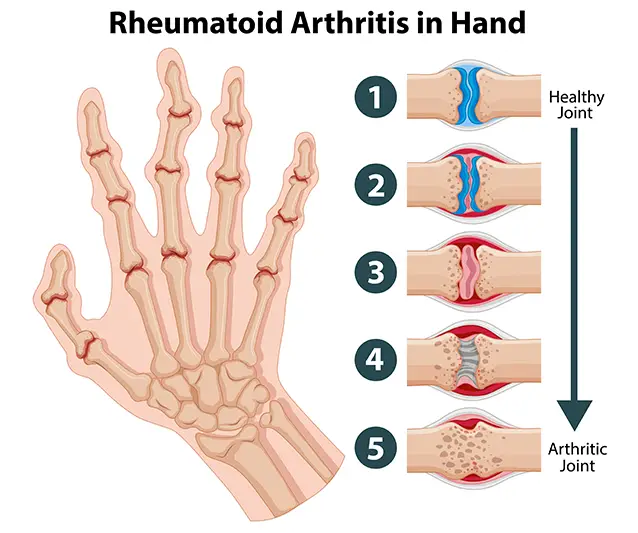
Rheumatoid Arthritis (RA) is a chronic autoimmune disease in which the immune system mistakenly attacks the lining of the joints, causing inflammation, pain, swelling, and stiffness.
Unlike osteoarthritis, which is caused by wear and tear, rheumatoid arthritis is a systemic inflammatory condition that can affect multiple joints and, in some cases, other organs throughout the body. Early diagnosis and appropriate treatment are essential to prevent joint damage and maintain quality of life.
We’d Love to Help.
Fill the Form and We’ll Be in Touch

Symptoms
Common symptoms of rheumatoid arthritis include:
- Joint pain and tenderness
- Joint swelling and inflammation
- Morning stiffness lasting longer than 30 minutes
- Fatigue and low energy levels
- Reduced joint mobility
- Weakness and decreased physical function
- Symmetrical joint involvement, often affecting both sides of the body
Contact Us Today!
Your path to a healthier life starts here—contact us and let’s take the first step together.
Causes and Risk Factors
The exact cause of rheumatoid arthritis is not fully understood, but several factors may contribute:
- Autoimmune dysfunction
- Genetic predisposition
- Hormonal factors
- Smoking
- Environmental triggers
- Family history of autoimmune diseases
Goals of Treatment
The primary goals of treatment include:
- Reducing inflammation and pain
- Preserving joint function
- Preventing joint damage and deformities
- Improving mobility and physical function
- Managing fatigue and maintaining energy levels
- Enhancing overall quality of life
Treatment Approach
Rheumatoid arthritis requires a multidisciplinary and long-term treatment approach.
- Rheumatology consultation and medical management
- Exercise therapy
- Joint mobility and flexibility exercises
- Manual therapy (when appropriate)
- Hydrotherapy and aquatic exercises
- Physical therapy modalities for pain management
- Occupational therapy and joint protection strategies
- Lifestyle modification and patient education

Who Can Benefit?
Rheumatoid arthritis rehabilitation is suitable for:
- Individuals diagnosed with rheumatoid arthritis
- Patients experiencing joint pain and stiffness
- Individuals with reduced mobility and functional limitations
- Patients seeking to maintain independence and quality of life
- Individuals recovering from disease flare-ups
Treatment Process
Treatment duration varies depending on disease activity, symptoms, and individual goals.
Regular monitoring, personalized rehabilitation, and appropriate medical management help control symptoms and maintain long-term joint health. Rehabilitation programs are adjusted according to disease activity and functional needs.
Frequently Asked Questions (FAQ)
Rheumatoid arthritis cannot currently be cured, but it can be effectively controlled with appropriate medical treatment and rehabilitation.
Yes. Properly prescribed exercise helps maintain joint mobility, muscle strength, and overall physical function.
Yes. Without proper treatment, chronic inflammation may lead to joint damage and deformities.
No. Rheumatoid arthritis is an autoimmune inflammatory disease, while osteoarthritis is primarily a degenerative joint condition.
Yes. Rehabilitation can help reduce pain, improve mobility, and enhance daily function.
