
Osteopathy
What is Osteopathy?
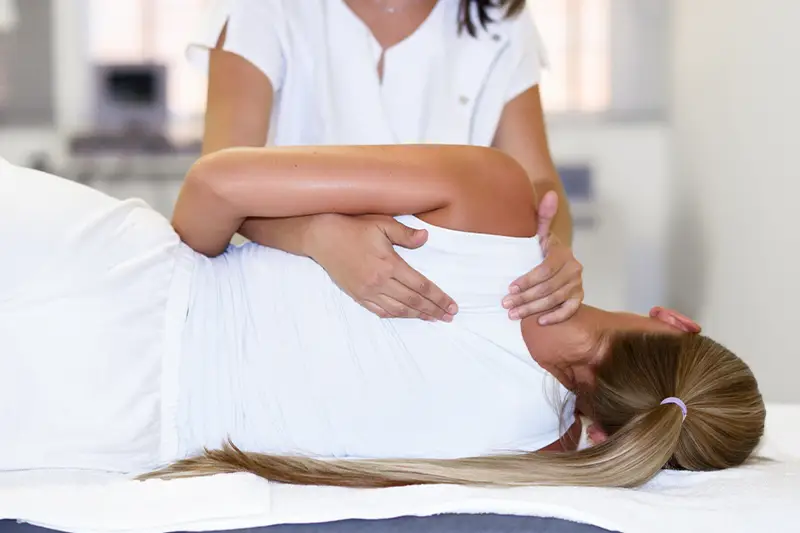
Osteopathy is a hands-on treatment approach that focuses on the relationship between the body’s structure and function. It aims to improve mobility, reduce pain, and support the body’s natural healing mechanisms through manual assessment and treatment techniques.
Osteopathic treatment considers the body as an interconnected system, addressing not only the site of pain but also underlying biomechanical and functional factors that may contribute to symptoms.
We’d Love to Help.
Fill the Form and We’ll Be in Touch
Principles of Osteopathy
Osteopathy is based on several key principles:
- The body functions as an integrated whole
- Structure and function are closely related
- The body has self-regulating and self-healing capabilities
- Optimal mobility supports overall health and function
By improving mobility and reducing restrictions, osteopathic treatment aims to support overall physical well-being.
Contact Us Today!
Your path to a healthier life starts here—contact us and let’s take the first step together.
Conditions Treated
Osteopathy may be beneficial for a variety of musculoskeletal conditions, including:
- Neck pain
- Lower back pain
- Shoulder pain
- Joint stiffness and mobility restrictions
- Postural disorders
- Muscle tension and myofascial pain
- Sports-related injuries
- Headaches associated with neck dysfunction
Goals of Treatment
The primary goals of osteopathic treatment include:
- Reducing pain and discomfort
- Improving joint and soft tissue mobility
- Enhancing posture and body mechanics
- Supporting functional movement
- Reducing muscle tension
- Improving overall physical performance and well-being
Treatment Methods
- Joint mobilization techniques
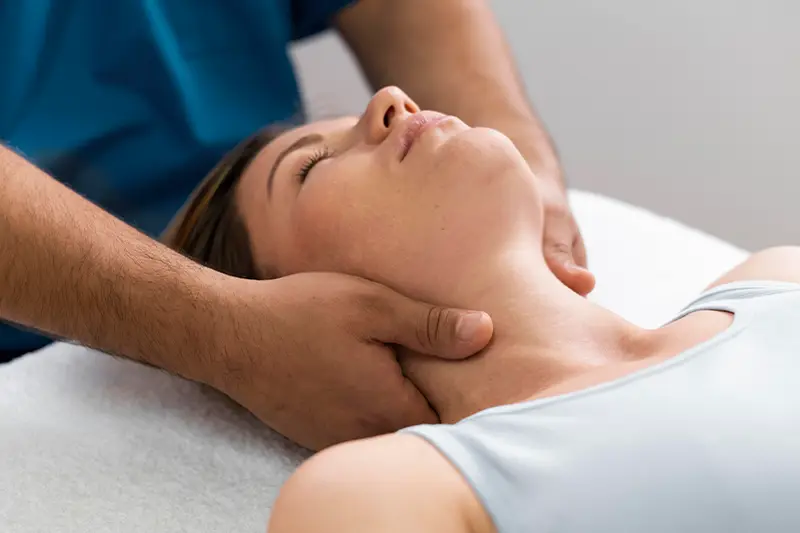
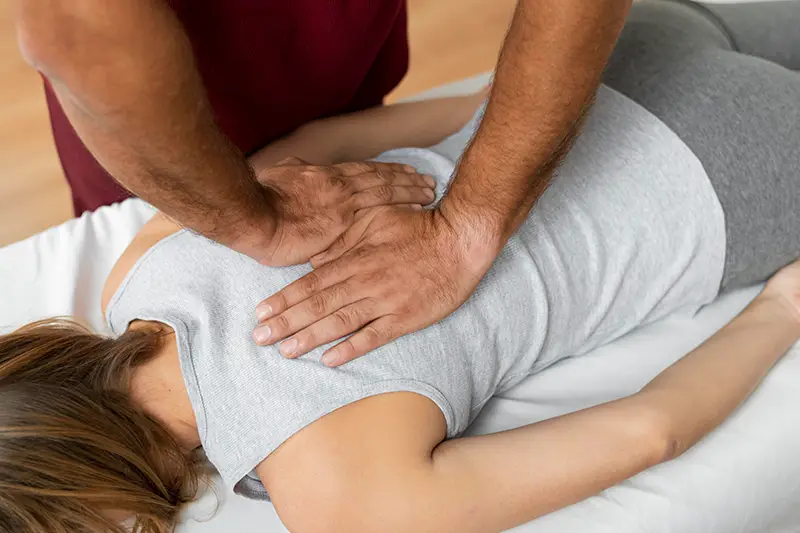
- Soft tissue manipulation
- Myofascial release techniques
- Stretching and mobility techniques
- Functional movement assessment
- Postural correction strategies
Treatment is always tailored to the individual patient’s condition and needs.
Who Can Benefit?
Osteopathy may be suitable for:
- Individuals with musculoskeletal pain
- Patients with mobility restrictions
- People with postural problems
- Individuals recovering from injury
- Athletes seeking improved movement function
- People experiencing chronic muscle tension
Treatment Process
Treatment begins with a detailed assessment of posture, movement patterns, joint mobility, and functional limitations.
Based on the findings, an individualized treatment plan is developed. Treatment sessions typically combine manual techniques with movement recommendations and home exercises to support long-term results.
Frequently Asked Questions (FAQ)
They share many similarities, but osteopathy is a broader treatment philosophy that focuses on the relationship between body structure and function, while manual therapy refers to specific hands-on treatment techniques.
Treatment is generally gentle and well tolerated. Some techniques may cause mild temporary discomfort depending on the condition being treated.
The number of sessions varies depending on the patient's condition, symptoms, and treatment goals.
Yes. Osteopathy is commonly used as part of a comprehensive approach to managing chronic musculoskeletal pain.
Most adults can benefit from osteopathic treatment, although a detailed assessment is necessary to determine suitability.
