
Nucleoplasty
What is Nucleoplasty?
Nucleoplasty is a minimally invasive, image-guided procedure used to treat certain types of herniated discs and disc-related back or neck pain.
The procedure works by reducing pressure within the intervertebral disc through controlled radiofrequency energy, helping to relieve nerve compression and reduce pain. Nucleoplasty is considered an alternative to open surgery for carefully selected patients who have not responded adequately to conservative treatments.
We’d Love to Help.
Fill the Form and We’ll Be in Touch
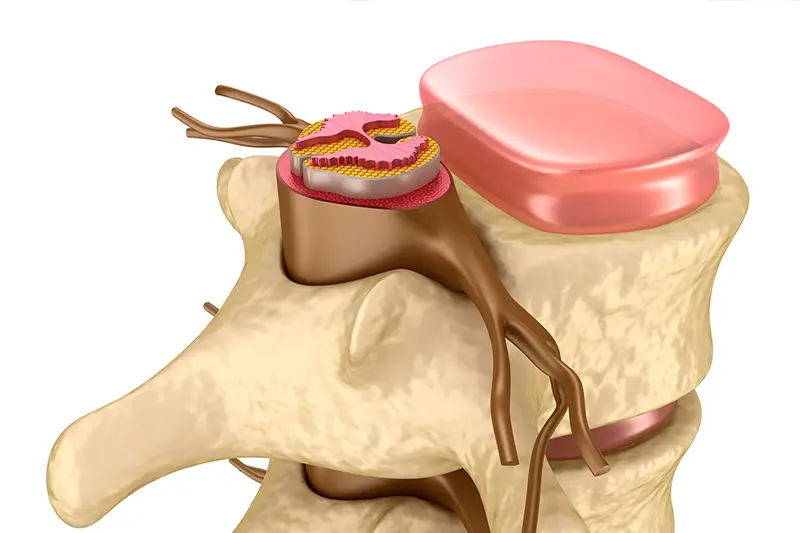
How Does Nucleoplasty Work?
During the procedure, a specialized probe is inserted into the affected disc under imaging guidance.
Radiofrequency energy is used to remove a small amount of disc material, which may:
- Reduce pressure inside the disc
- Decrease nerve root compression
- Relieve pain and neurological symptoms
- Improve mobility and function
- Reduce the need for more invasive surgery in suitable patients
Contact Us Today!
Your path to a healthier life starts here—contact us and let’s take the first step together.
Conditions Treated
Nucleoplasty may be recommended for:
- Contained lumbar disc herniation
- Contained cervical disc herniation
- Disc-related lower back pain
- Disc-related neck pain
- Sciatica caused by disc protrusion
- Patients with persistent symptoms despite conservative treatment
Symptoms That May Benefit from Nucleoplasty
- Chronic lower back pain
- Neck pain
- Leg pain (sciatica)
- Arm pain related to cervical disc problems
- Numbness and tingling caused by nerve irritation
- Reduced mobility and physical function
Goals of Treatment
The primary goals of nucleoplasty include:
- Reducing disc pressure
- Relieving nerve compression
- Decreasing pain and neurological symptoms
- Improving mobility and function
- Supporting a faster recovery compared to traditional surgery
• Helping patients return to daily activities
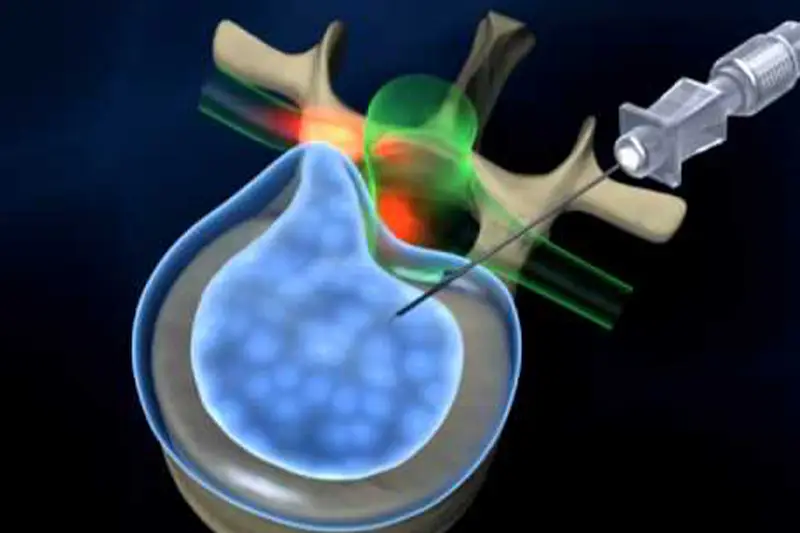

Treatment Process
Nucleoplasty is usually performed as an outpatient procedure.
- Clinical evaluation and imaging assessment
- Local anesthesia and mild sedation when necessary
- Image-guided placement of a specialized probe into the disc
- Controlled radiofrequency treatment of the disc tissue
- Short observation period following the procedure
- Personalized rehabilitation and follow-up program
The procedure typically takes less than one hour.
Who Can Benefit?
Nucleoplasty may be suitable for:
- Patients with contained disc herniations
- Individuals with chronic back or neck pain originating from a disc
- Patients with sciatica caused by disc protrusion
- Individuals who have not responded to conservative treatment
• Patients seeking a minimally invasive alternative to surgery
Recovery and Rehabilitation
Following nucleoplasty, patients are usually encouraged to participate in a structured rehabilitation program.
- Exercise therapy
- Core stabilization exercises
- Postural training
- Functional rehabilitation
- Gradual return-to-activity programs
These interventions help maximize treatment outcomes and reduce the risk of recurrence.
Frequently Asked Questions (FAQ)
Nucleoplasty is considered a minimally invasive procedure rather than traditional open surgery.
The procedure is generally performed under local anesthesia and is usually well tolerated.
Most nucleoplasty procedures are completed within 30 to 60 minutes.
Many patients return to light daily activities within a few days, although recovery varies between individuals.
No. It is most effective for carefully selected patients with contained disc herniations and should be evaluated by a spine specialist.
In appropriate patients, nucleoplasty may help relieve symptoms and reduce the need for more invasive surgical procedures.
