
Kyphosis (Hunchback) Treatment
What is Kyphosis?
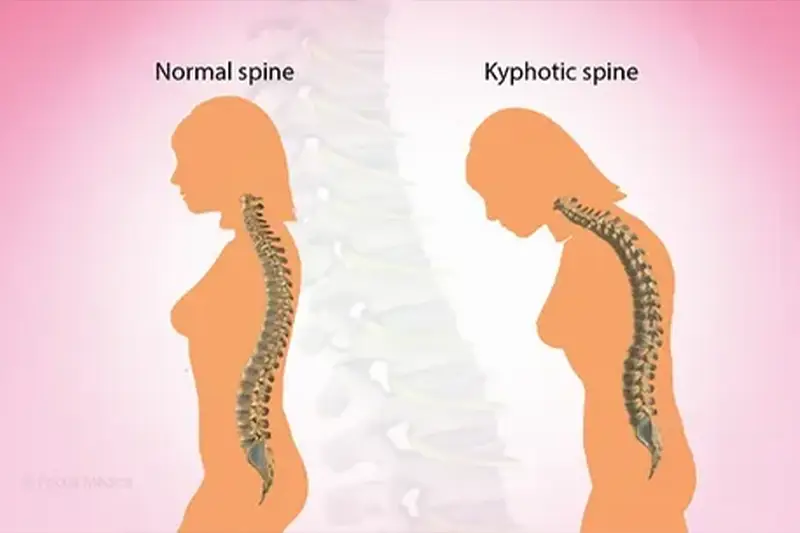
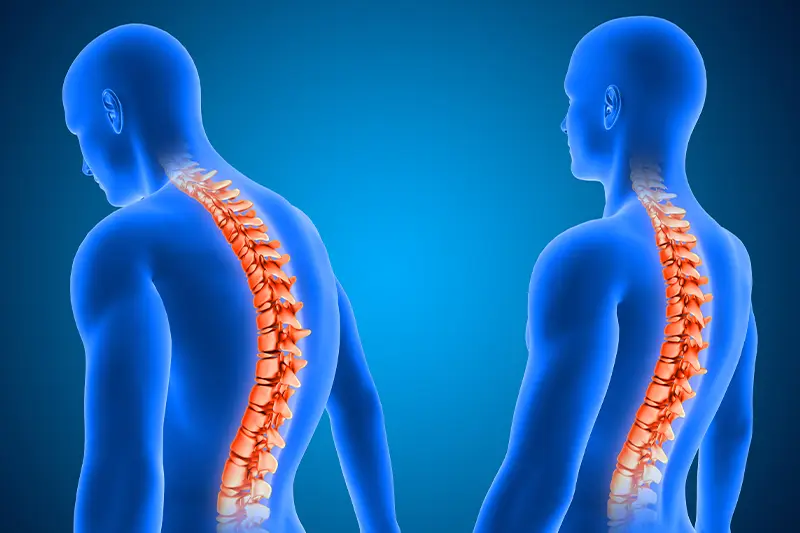
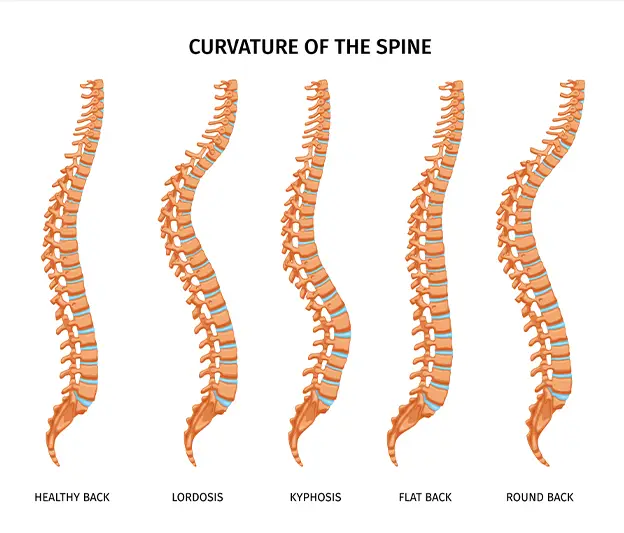
Kyphosis is a spinal condition characterized by an excessive forward curvature of the thoracic spine (upper back), resulting in a rounded or hunched posture.
While mild cases are often related to poor posture and muscle imbalance, more advanced forms may involve structural changes in the vertebrae and require specialized rehabilitation. If left untreated, kyphosis can affect posture, mobility, breathing capacity, and overall quality of life.
We’d Love to Help.
Fill the Form and We’ll Be in Touch

Symptoms
Common symptoms of kyphosis include:
- Excessive rounding of the upper back (hunchback appearance)
- Poor posture and forward head position
- Back and neck pain
- Muscle fatigue and stiffness
- Reduced spinal mobility
- Shoulder and upper back tension
- Reduced lung capacity and breathing efficiency in severe cases
Contact Us Today!
Your path to a healthier life starts here—contact us and let’s take the first step together.
Causes and Risk Factors
Kyphosis may develop due to:
- Poor posture and prolonged sitting
- Extended desk work and screen use
- Weak postural and core muscles
- Spinal developmental disorders
- Scheuermann’s disease
- Osteoporosis, particularly in older adults
- Age-related degenerative spinal changes
Goals of Treatment
The primary goals of treatment include:
- Improving spinal alignment and posture
- Increasing muscle strength and endurance
- Enhancing flexibility and mobility
- Reducing pain and muscle tension
- Supporting optimal breathing mechanics
- Preventing progression of the spinal curvature
Treatment Approach
Many cases of kyphosis can be effectively managed through conservative rehabilitation methods.
- Postural correction and education
- Exercise therapy
- Clinical Pilates
- Manual therapy
- Stretching and mobility exercises
- Breathing exercises
- Core strengthening programs
In selected cases, bracing may be recommended by a physician.
Who Can Benefit?
Kyphosis rehabilitation is suitable for:
- Individuals with postural kyphosis
- People with visible upper back rounding
- Office workers and students
- Adolescents and adults with spinal posture problems
- Individuals experiencing back and neck discomfort related to poor posture
Treatment Process
The duration of treatment depends on the severity of the curvature, the patient’s age, and overall physical condition.
With consistent rehabilitation and regular exercise, many patients achieve noticeable improvements in posture, mobility, and comfort. Early intervention significantly improves treatment outcomes.
Frequently Asked Questions (FAQ)
Postural kyphosis can often be significantly improved with rehabilitation and exercise. Structural kyphosis can usually be managed and its progression controlled.
Yes. Exercise therapy is one of the most important components of kyphosis treatment and long-term management.
In certain cases, particularly during adolescence, a physician may recommend bracing.
Many patients notice improvements in posture and mobility within several weeks of consistent treatment.
Most patients do not require surgery. Surgical treatment is generally reserved for severe structural deformities or cases causing significant functional limitations.
Yes. Without appropriate treatment and postural correction, kyphosis may gradually progress in some individuals.
