
Lumbar Disc Herniation
What is Lumbar Disc Herniation?
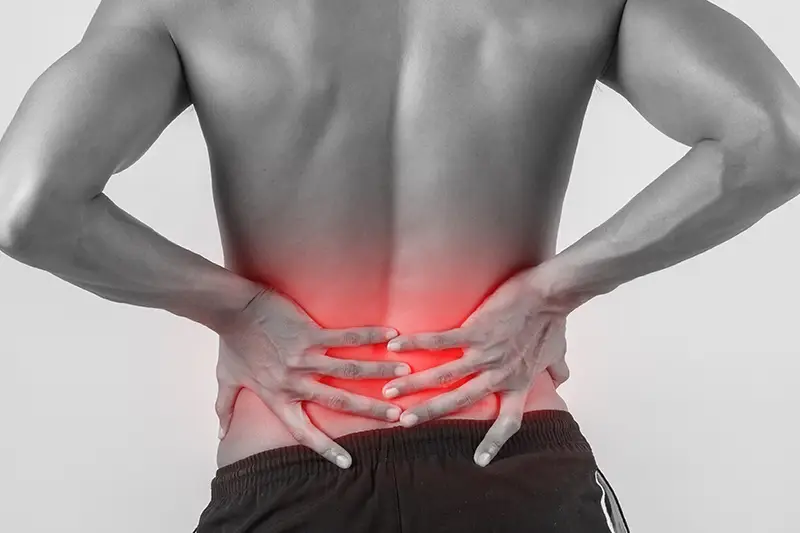
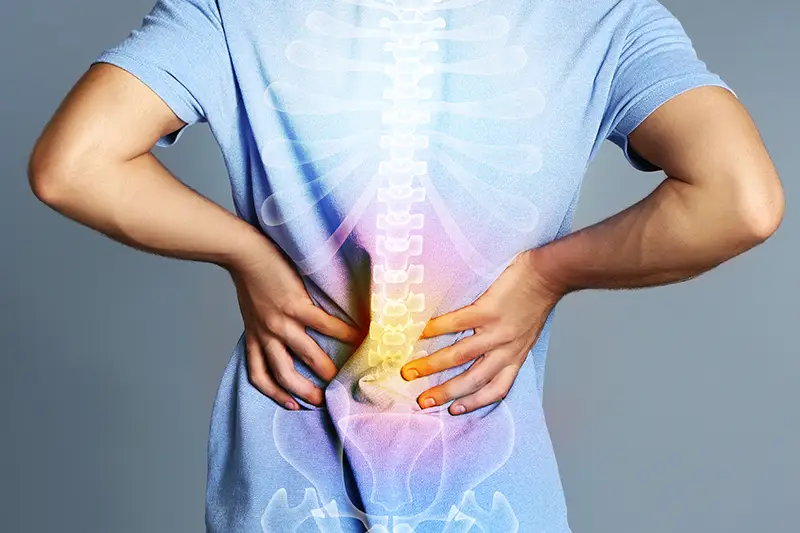
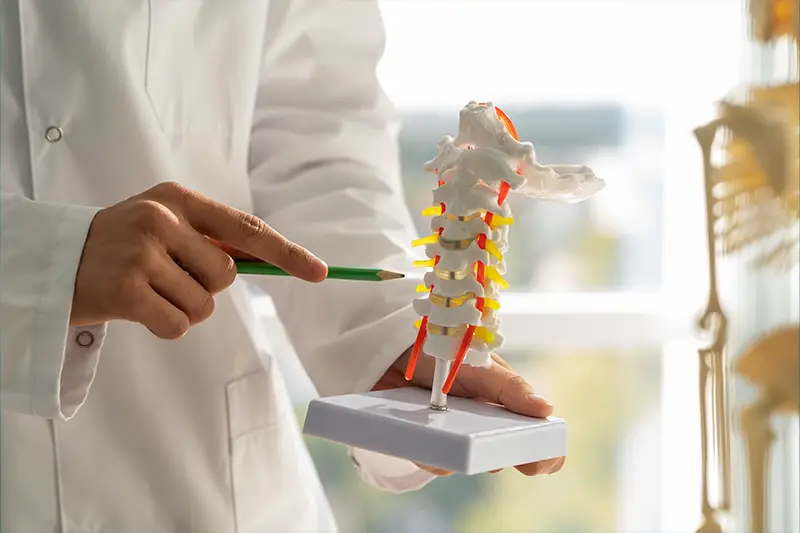
Lumbar disc herniation, commonly known as a herniated or slipped disc, occurs when the soft inner material of an intervertebral disc protrudes through its outer layer and places pressure on nearby nerve roots.
This condition most commonly affects the lower back and may cause pain, numbness, tingling, or weakness that radiates into the buttocks and legs. When the sciatic nerve is affected, symptoms are often referred to as sciatica.
We’d Love to Help.
Fill the Form and We’ll Be in Touch

Symptoms
Common symptoms of lumbar disc herniation include:
- Lower back pain
- Leg pain (sciatica)
- Numbness or tingling in the leg or foot
- Muscle weakness
- Reduced mobility and flexibility
- Difficulty standing, walking, or sitting for prolonged periods
Contact Us Today!
Your path to a healthier life starts here—contact us and let’s take the first step together.
Causes and Risk Factors
Lumbar disc herniation may develop due to:
- Heavy lifting or improper lifting techniques
- Poor posture
- Prolonged sitting
- Repetitive movements and occupational strain
- Weak core and back muscles
- Age-related disc degeneration
• Obesity and sedentary lifestyle
Goals of Treatment
The primary goals of treatment include:
- Reducing pain and inflammation
- Relieving pressure on affected nerves
- Improving spinal mobility and flexibility
- Restoring muscle strength and stability
- Supporting a safe return to daily activities
- Preventing recurrence and future spinal problems
Treatment Approach
Most patients with lumbar disc herniation can achieve significant improvement without surgery through conservative rehabilitation methods.
- Exercise therapy and core stabilization exercises
- Manual therapy techniques
- Electrotherapy
- Postural correction and ergonomic education
- Dry needling (when appropriate)
- Clinical Pilates
- Pain management and functional rehabilitation
Who Can Benefit?
Lumbar disc herniation rehabilitation is suitable for:
- Individuals experiencing lower back pain
- Patients with leg pain caused by nerve compression
- People with numbness, tingling, or weakness in the lower limbs
- Individuals seeking non-surgical treatment options
- Patients aiming to return to work, sports, or daily activities safely
Treatment Process
The duration of rehabilitation varies depending on symptom severity, physical condition, and treatment goals.
Many patients experience noticeable improvement within a few weeks of structured rehabilitation. Regular follow-up, adherence to exercise programs, and lifestyle modifications are essential for long-term success.
The Medworld Approach
At Medworld Health & Rehabilitation Center, lumbar disc herniation is managed through personalized rehabilitation programs designed after a comprehensive clinical assessment.
Our goal is to reduce pain, improve spinal function, restore mobility, and help patients return safely to an active and independent lifestyle.
Frequently Asked Questions (FAQ)
Yes. Most patients improve significantly with conservative treatment and do not require surgery.
Many patients notice improvement within a few weeks, although recovery time varies depending on the severity of the condition.
No. When prescribed and supervised appropriately, exercise is one of the most effective treatments for lumbar disc herniation.
Many patients experience substantial pain relief and functional improvement following rehabilitation.
Yes. However, regular exercise, proper posture, and healthy lifestyle habits can significantly reduce the risk of recurrence.
Surgery may be considered in severe cases involving progressive muscle weakness, loss of bladder or bowel control, or persistent symptoms that do not respond to conservative treatment.
