
Ultrasound Therapy
What is Ultrasound Therapy?
Ultrasound therapy is a non-invasive physical therapy modality that uses high-frequency sound waves to penetrate deep into tissues, helping to reduce pain and support the natural healing process.
This treatment is particularly effective in improving circulation in muscles, tendons, and connective tissues, thereby accelerating tissue repair and recovery.
We’d Love to Help.
Fill the Form and We’ll Be in Touch
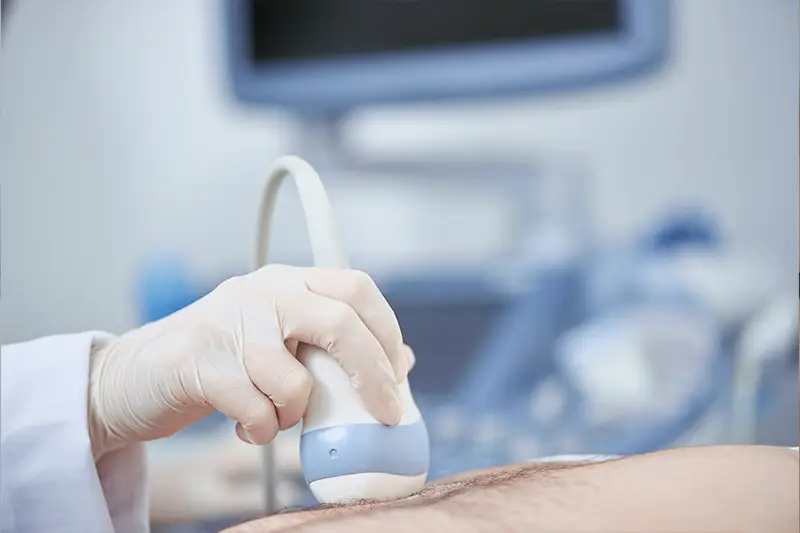
Mechanism of Action
Ultrasound waves create both thermal and mechanical effects in the targeted area:
- Increased tissue temperature
- Enhanced blood circulation
- Improved cellular metabolism
- Reduction of muscle spasms
- Increased tissue elasticity
These combined effects help relieve pain, reduce stiffness, and improve overall mobility.
Contact Us Today!
Your path to a healthier life starts here—contact us and let’s take the first step together.
Conditions Treated
Ultrasound therapy is commonly used for:
- Muscle spasms
- Tendinitis and bursitis
- Shoulder, knee, and lower back pain
- Sports-related injuries
- Soft tissue injuries
- Joint stiffness and restricted mobility
Goals of Treatment
- Reducing pain and discomfort
- Accelerating tissue healing
- Promoting muscle relaxation
- Improving joint range of motion
- Reducing inflammation
Treatment Process
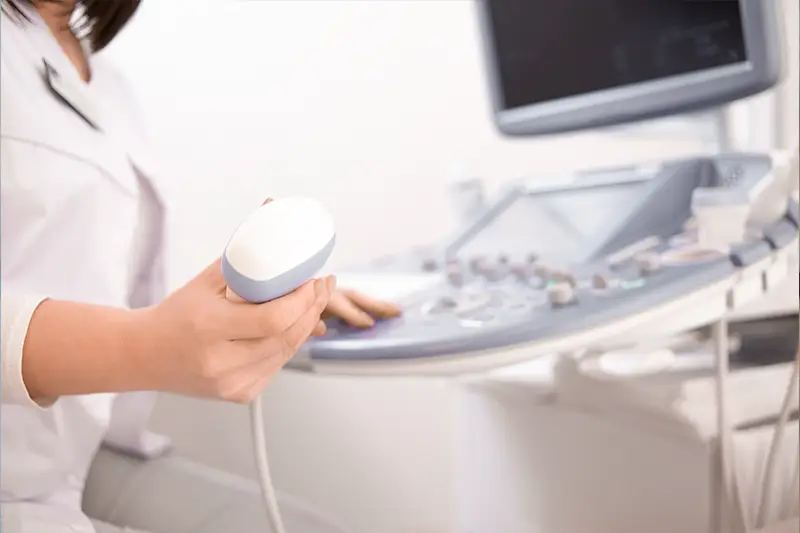
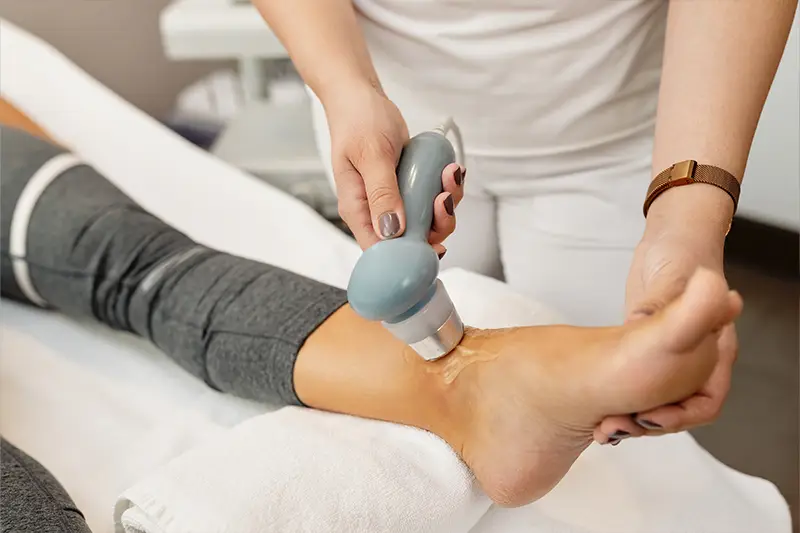
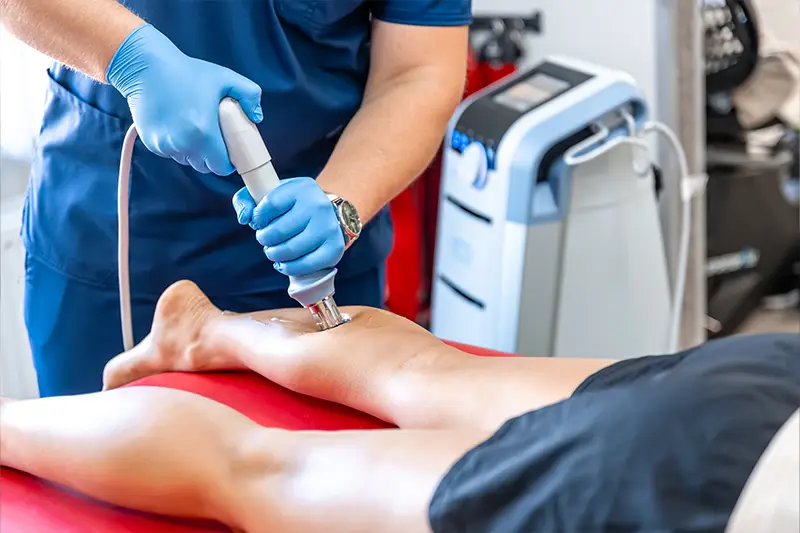
Ultrasound therapy is performed by a physiotherapist using a specialized device:
- A conductive gel is applied to the treatment area
- The applicator is moved in slow, circular motions over the skin
- Each session typically lasts between 5 to 10 minutes
- The treatment protocol is tailored to the patient’s condition
Who Can Benefit?
Ultrasound therapy is suitable for:
- Individuals with muscle and joint pain
- Patients recovering from sports injuries
- People with limited mobility or stiffness
- Individuals with soft tissue injuries
Precautions
Ultrasound therapy should be used with caution or avoided in the following cases:
- Open wounds or damaged skin
- Active infections
- Areas with known or suspected tumors
- Abdominal or pelvic area during pregnancy
- Areas with reduced or impaired sensation
Frequently Asked Questions (FAQ)
No, it is generally painless and comfortable. Some patients may feel mild warmth during the session.
A typical session lasts between 5 to 10 minutes.
The number of sessions varies depending on the condition and individual response to treatment.
Improvements are often noticed after a few sessions, especially when combined with other therapies.
Ultrasound therapy is most effective when combined with exercise therapy and other rehabilitation methods.
