
Piriformis Injection
What is a Piriformis Injection?
A Piriformis Injection is a minimally invasive pain management procedure used to diagnose and treat pain originating from the piriformis muscle, a small muscle located deep within the buttock region.
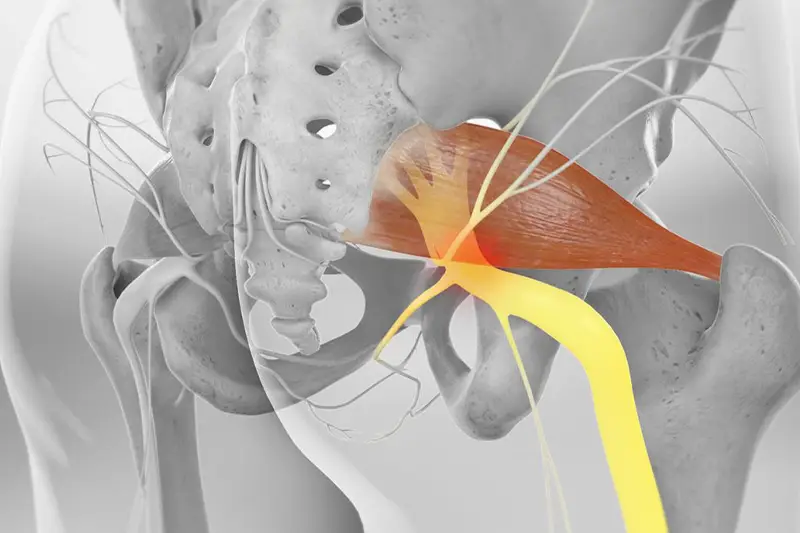
When the piriformis muscle becomes tight, inflamed, or spasmodic, it can compress or irritate the sciatic nerve, leading to a condition known as Piriformis Syndrome. This may cause pain in the buttock, hip, and leg, often resembling sciatica.
A piriformis injection helps reduce inflammation, relax the muscle, and relieve pressure on the sciatic nerve.
We’d Love to Help.
Fill the Form and We’ll Be in Touch
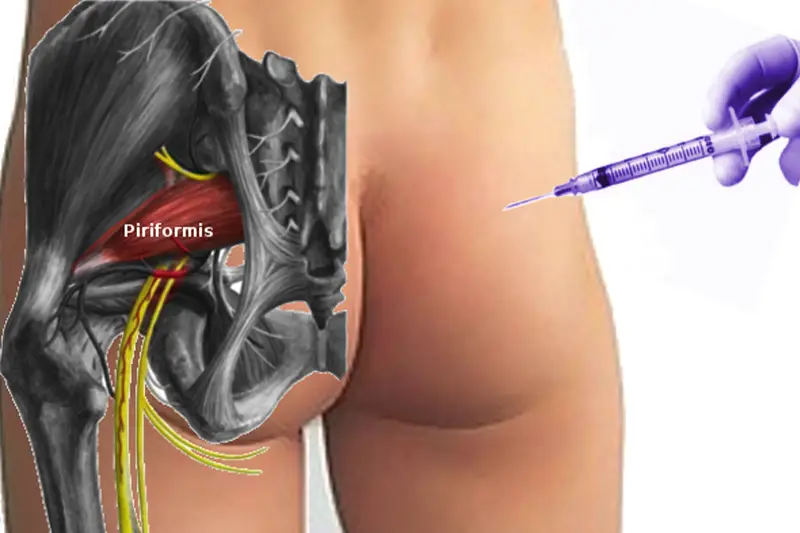
How Does a Piriformis Injection Work?
The procedure involves injecting medication directly into the piriformis muscle under ultrasound or fluoroscopic guidance.
- Reduce inflammation within the muscle
- Relieve muscle spasm and tightness
- Decrease pressure on the sciatic nerve
- Reduce buttock and leg pain
- Improve mobility and function
- Support participation in rehabilitation programs
Contact Us Today!
Your path to a healthier life starts here—contact us and let’s take the first step together.
Conditions Treated
Piriformis Injection may be recommended for:
- Piriformis Syndrome
- Sciatic nerve irritation caused by the piriformis muscle
- Chronic buttock pain
- Referred pain into the leg
- Muscle spasm resistant to conservative treatment
- Persistent pain despite physical therapy
Symptoms That May Benefit from Treatment
- Deep buttock pain
- Pain radiating down the back of the leg
- Pain while sitting for long periods
- Hip pain and stiffness
- Numbness or tingling in the leg
- Discomfort during walking, climbing stairs, or exercise
Goals of Treatment
The primary goals of treatment include:
- Relieving piriformis muscle spasm
- Reducing inflammation and pain
- Decreasing sciatic nerve irritation
- Improving mobility and flexibility
- Supporting rehabilitation and exercise participation
- Enhancing quality of life

Treatment Process
Piriformis Injection is usually performed as an outpatient procedure.
- Clinical assessment and examination
- Ultrasound or imaging-guided localization of the piriformis muscle
- Local anesthesia of the treatment area
- Injection of medication into the piriformis muscle
- Short observation period following treatment
The procedure typically takes between 15 and 30 minutes.
Who Can Benefit?
Piriformis Injection may be suitable for:
- Patients diagnosed with Piriformis Syndrome
- Individuals with chronic buttock pain
- Patients with sciatic-type symptoms not caused by a disc herniation
- Athletes and physically active individuals
- Patients who have not responded adequately to conservative treatment
Recovery and Rehabilitation
Most patients can resume normal daily activities within 24 to 48 hours.
For optimal long-term results, treatment is often combined with:
- Piriformis stretching exercises
- Exercise therapy
- Manual therapy
- Postural correction
- Core stabilization exercises
- Functional rehabilitation
Combining the injection with rehabilitation helps address both symptoms and underlying biomechanical factors.
The Medworld Approach
At Medworld Health & Rehabilitation Center, Piriformis Injection procedures are integrated into comprehensive pain management and rehabilitation programs.
Our multidisciplinary team focuses on identifying the source of pain, relieving nerve irritation, restoring mobility, and helping patients return to their daily activities comfortably and safely.
Frequently Asked Questions (FAQ)
No. It is a minimally invasive outpatient procedure and does not require surgery.
Most patients experience only mild discomfort because local anesthesia is used during the procedure.
Pain relief varies depending on the individual and underlying condition, but many patients experience significant improvement for several weeks or months.
Some patients notice relief within a few days, while others experience gradual improvement over one to two weeks.
Yes. Piriformis Syndrome often causes symptoms similar to sciatica because the piriformis muscle can irritate the sciatic nerve.
Yes. If symptoms recur and the initial treatment was effective, repeat injections may be considered.
