
Pain Management
What is Pain Management?
Pain management is a comprehensive and multidisciplinary approach aimed at reducing pain, improving physical function, and enhancing quality of life.
Pain is the body’s natural warning system in response to injury or disease. However, when pain persists for weeks or months, it can become a chronic condition that affects mobility, sleep, emotional well-being, and daily activities.
Effective pain management focuses not only on relieving symptoms but also on identifying and addressing the underlying cause of pain.
We’d Love to Help.
Fill the Form and We’ll Be in Touch
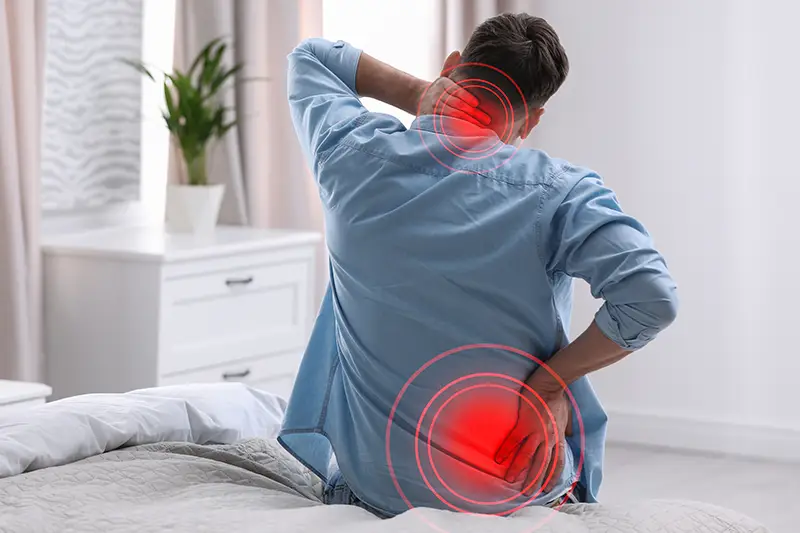
Types of Pain
Pain can be classified according to its underlying mechanism:
- Acute pain – Short-term pain typically associated with injury, inflammation, or surgery
- Chronic pain – Pain lasting longer than three months
- Neuropathic pain – Pain caused by nerve irritation or damage
- Musculoskeletal pain – Pain originating from muscles, joints, ligaments, tendons, or the spine
Contact Us Today!
Your path to a healthier life starts here—contact us and let’s take the first step together.
Common Causes of Pain
Pain management programs may be beneficial for conditions such as:
- Lower back pain
- Neck pain
- Herniated discs
- Osteoarthritis
- Muscle spasms and trigger points
- Nerve compression syndromes
- Sports injuries
- Post-surgical pain
- Postural disorders
- Fibromyalgia and chronic pain syndromes
Goals of Treatment
The primary goals of pain management include:
- Reducing pain intensity and frequency
- Identifying and addressing the underlying cause
- Improving mobility and physical function
- Supporting participation in daily activities
- Reducing dependency on pain medications when possible
- Enhancing overall quality of life
Treatment Approach
Pain management requires a personalized and multidisciplinary treatment strategy.
- Exercise therapy
- Manual therapy
- Electrotherapy and advanced physical therapy modalities
- Dry needling
- Clinical Pilates
- Postural correction and ergonomic training
- PRP and regenerative therapies (when appropriate)
- Lifestyle modification and patient education
Treatment plans are tailored according to the patient’s diagnosis, symptoms, and functional goals.

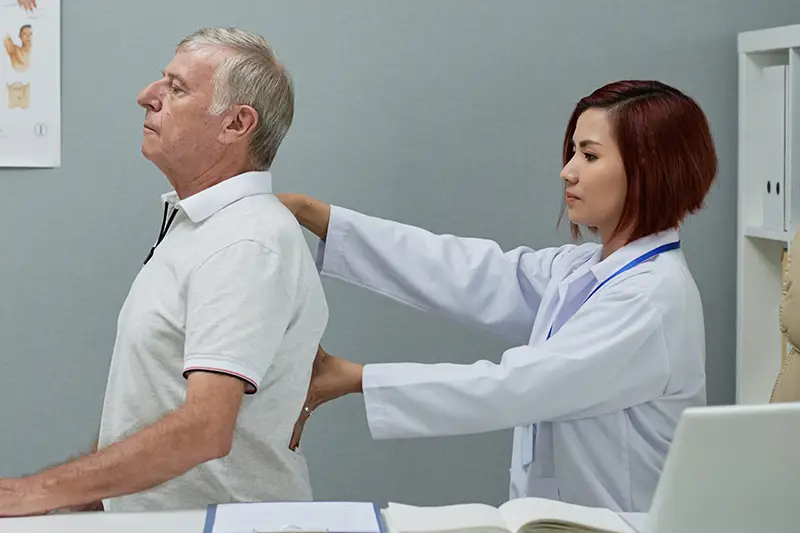
Who Can Benefit?
Pain management programs are suitable for:
- Individuals experiencing acute or chronic pain
- Patients with mobility limitations
- People struggling with work or daily activities due to pain
- Individuals seeking non-surgical treatment options
- Patients requiring long-term rehabilitation support
Treatment Process
The duration of treatment depends on the type, severity, and cause of pain.
Following a comprehensive clinical assessment, a personalized treatment plan is developed and regularly adjusted according to the patient’s progress and response to therapy.

Frequently Asked Questions (FAQ)
While complete elimination is not always possible, chronic pain can often be significantly reduced and effectively managed.
Treatment duration varies depending on the underlying condition, symptom severity, and individual response to therapy.
No. When prescribed appropriately, therapeutic exercise is one of the most effective tools for reducing pain and improving function.
Yes. Many patients benefit from physical therapy and rehabilitation approaches that help reduce the need for medication.
In many cases, regular exercise, proper posture, healthy movement habits, and early intervention can significantly reduce the risk of recurrence.
If pain persists for more than a few weeks, limits daily activities, affects sleep, or progressively worsens, professional evaluation is recommended.
