
Manual Therapy
What is Manual Therapy?
Manual therapy is a specialized physical therapy approach that uses hands-on techniques performed by physiotherapists to improve joint mobility, reduce pain, restore movement, and support functional recovery.
By addressing restrictions in joints, muscles, fascia, and soft tissues, manual therapy helps optimize movement patterns and improve overall musculoskeletal function.
Each treatment plan is based on a comprehensive clinical assessment and tailored to the individual needs of the patient.
We’d Love to Help.
Fill the Form and We’ll Be in Touch
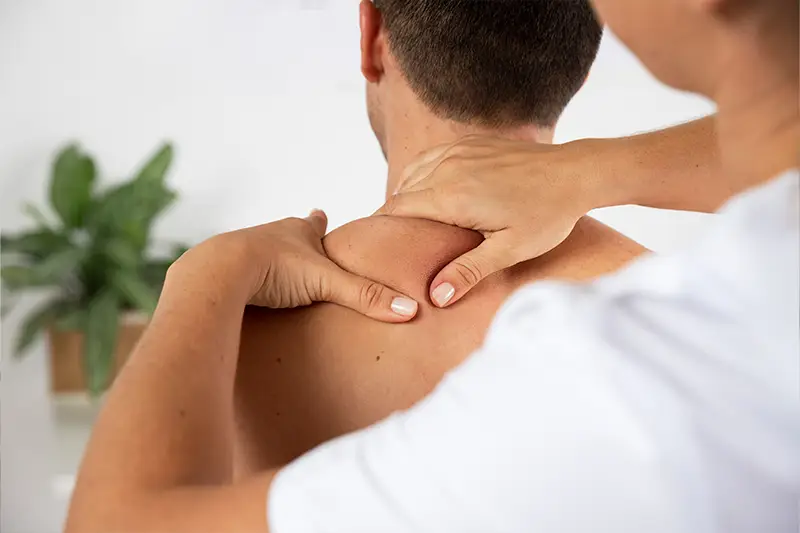
Mechanism of Action
Manual therapy techniques produce both mechanical and neurophysiological effects that may help:
- Improve joint mobility and movement quality
- Reduce muscle spasms and tension
- Increase soft tissue flexibility
- Modulate pain signals within the nervous system
- Support local circulation and tissue health
- Restore normal movement patterns
These effects contribute to pain relief, improved mobility, and enhanced functional performance.
Contact Us Today!
Your path to a healthier life starts here—contact us and let’s take the first step together.
Conditions Treated
Manual therapy may be used as part of treatment programs for:
- Lower back pain
- Neck pain
- Shoulder disorders
- Joint stiffness and mobility restrictions
- Muscle spasms and tension
- Postural dysfunctions
- Sports-related injuries
- Musculoskeletal pain syndromes
Techniques Used
Manual therapy may include a variety of evidence-based techniques, such as:
- Joint mobilization
- Joint manipulation
- Soft tissue mobilization
- Myofascial release techniques
- Muscle energy techniques
- Stretching and mobility techniques
The specific techniques are selected according to the patient’s diagnosis, symptoms, and treatment goals.
Goals of Treatment
The primary goals of manual therapy include:
- Reducing pain and discomfort
- Increasing joint range of motion
- Decreasing muscle tension and stiffness
- Improving movement quality and function
- Supporting rehabilitation and recovery
- Enhancing overall physical performance
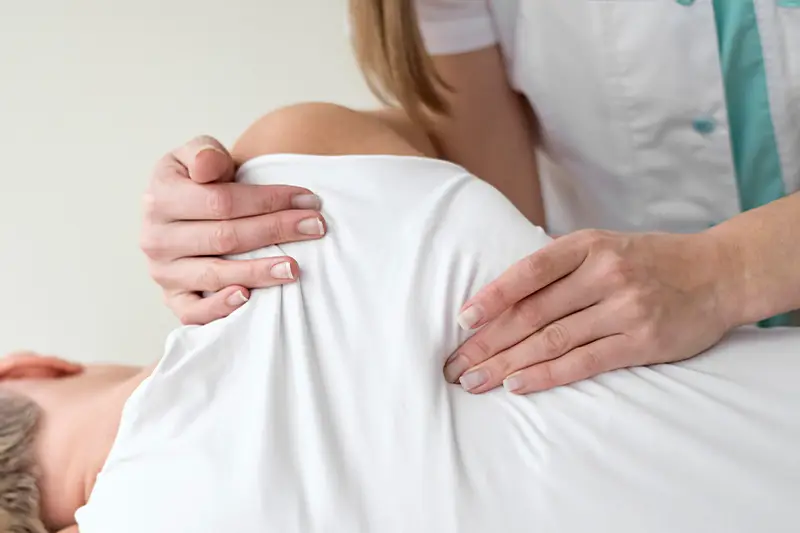
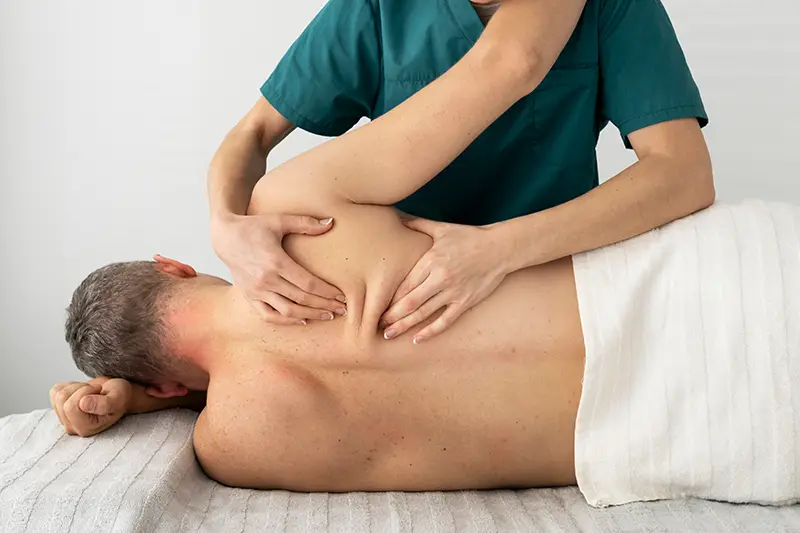
Treatment Process
Manual therapy is performed by a qualified physiotherapist following a detailed clinical evaluation:
- Assessment of mobility, posture, and movement patterns
- Selection of appropriate manual therapy techniques
- Application of treatment in a controlled and safe manner
- Continuous monitoring of patient response and progress
- Integration with exercise therapy and rehabilitation programs when needed
Sessions typically last between 15 and 30 minutes, depending on the condition being treated.
Who Can Benefit?
Manual therapy is suitable for:
- Individuals with muscle and joint pain
- Patients with mobility limitations
- People recovering from sports injuries
- Individuals with postural disorders
- Patients undergoing musculoskeletal rehabilitation
Precautions
Manual therapy should be applied with caution or may not be appropriate in the following situations:
- Acute fractures
- Severe osteoporosis
- Active infections or inflammatory conditions
- Highly unstable joints
- Certain neurological or vascular conditions
A comprehensive assessment is always performed before treatment.
Frequently Asked Questions (FAQ)
Manual therapy is generally comfortable. Some techniques may cause mild temporary discomfort, depending on the condition being treated.
The number of sessions varies according to the patient's condition, symptoms, and treatment goals.
Some patients experience relief after the first session, while others benefit from a series of treatments.
Manual therapy is often most effective when combined with exercise therapy and other rehabilitation techniques.
Temporary soreness or mild discomfort may occur after treatment, but serious side effects are uncommon when performed by qualified professionals.
Yes. By improving joint mobility, muscle balance, and movement patterns, manual therapy can help address postural dysfunctions.
