
Autologous Exosome Therapy
What is Autologous Exosome Therapy?
Autologous Exosome Therapy is an advanced regenerative medicine approach that utilizes exosomes derived from the patient’s own biological tissues to support cellular communication, tissue repair, and recovery processes.
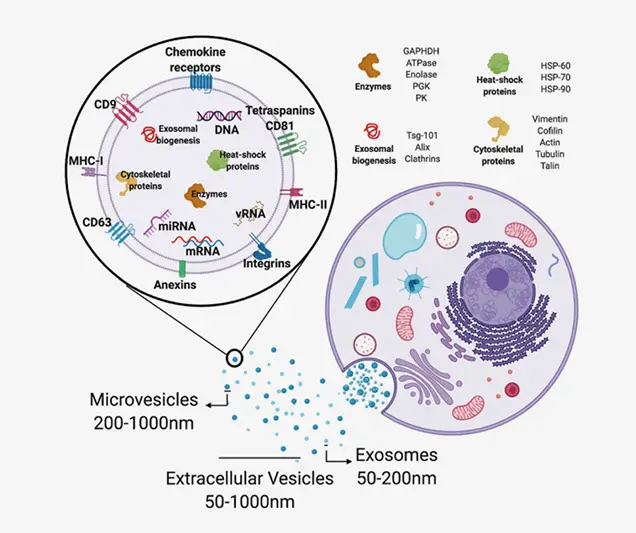
Exosomes are microscopic extracellular vesicles naturally released by cells. They contain proteins, growth factors, lipids, messenger RNA (mRNA), and signaling molecules that play an important role in cell-to-cell communication and tissue healing.
Because the exosomes are obtained from the patient’s own biological material, this treatment is considered an autologous regenerative therapy.
We’d Love to Help.
Fill the Form and We’ll Be in Touch
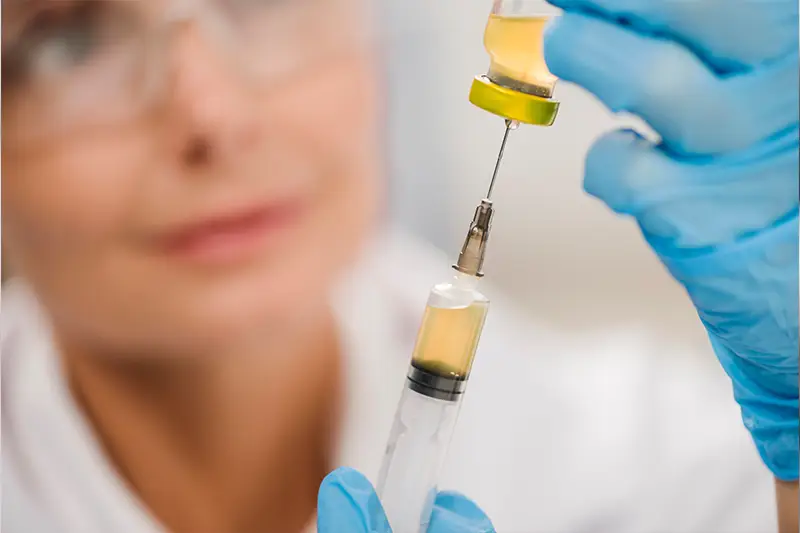
How Does Autologous Exosome Therapy Work?
Exosomes act as biological messengers that help coordinate cellular activity throughout the body.
- Support tissue repair and regeneration processes
- Promote cellular communication
- Modulate inflammatory responses
- Support recovery after injury
- Enhance healing mechanisms
- Improve overall tissue function
Rather than replacing damaged tissue directly, exosomes help activate and support the body’s natural repair processes.
Contact Us Today!
Your path to a healthier life starts here—contact us and let’s take the first step together.
Potential Areas of Application
Depending on local regulations, clinical indications, and physician assessment, Autologous Exosome Therapy may be considered as part of a comprehensive treatment plan for:
- Osteoarthritis
- Degenerative joint conditions
- Tendon and ligament injuries
- Sports injuries
- Chronic musculoskeletal pain conditions
- Soft tissue injuries
- Rehabilitation and recovery support programs
Goals of Treatment
The primary goals of treatment include:
- Supporting tissue healing and recovery
- Reducing inflammation
- Improving mobility and function
- Supporting regenerative processes
- Enhancing rehabilitation outcomes
- Improving overall quality of life
Treatment Process
Autologous Exosome Therapy is typically performed as a minimally invasive outpatient procedure.
The treatment process generally includes:
- Comprehensive medical evaluation
- Collection of the patient’s biological material according to the treatment protocol
- Processing and preparation of autologous exosomes
- Administration to the targeted treatment area
- Post-treatment monitoring and follow-up
- Personalized rehabilitation planning when appropriate
The exact protocol may vary depending on the clinical indication and treatment goals.

Who Can Benefit?
Autologous Exosome Therapy may be suitable for:
- Patients with degenerative musculoskeletal conditions
- Individuals with tendon and ligament injuries
- Patients experiencing chronic joint pain
- Athletes seeking recovery support
- Individuals interested in regenerative medicine approaches
Recovery and Rehabilitation
Recovery requirements vary depending on the treatment area and individual condition.
For optimal outcomes, treatment may be combined with:
- Exercise therapy
- Physical rehabilitation programs
- Functional rehabilitation
- Strengthening and mobility exercises
- Lifestyle and activity modification strategies
A comprehensive rehabilitation approach helps maximize recovery and long-term functional improvement.
The Medworld Approach
At Medworld Health & Rehabilitation Center, regenerative medicine therapies are integrated into personalized treatment and rehabilitation programs following a detailed clinical assessment.
Our multidisciplinary team combines advanced regenerative approaches with evidence-based rehabilitation strategies to support healing, improve mobility, and enhance overall patient well-being.
Frequently Asked Questions (FAQ)
Exosomes are naturally occurring extracellular vesicles released by cells that contain signaling molecules involved in cellular communication and tissue repair processes.
Autologous means the biological material used for treatment is obtained from the patient's own body.
No. Stem Cell Therapy involves living cells, while Exosome Therapy utilizes cell-derived signaling vesicles that support communication and repair mechanisms.
No. PRP contains concentrated platelets obtained from blood, whereas exosomes contain a variety of cellular signaling molecules involved in regenerative processes.
Treatment duration varies depending on the protocol but is generally completed during an outpatient visit.
