
Post-Trauma Rehabilitation
What is Post-Trauma Rehabilitation?
Post-trauma rehabilitation is a comprehensive rehabilitation program designed to help individuals recover after physical injuries caused by accidents, falls, sports injuries, fractures, or other traumatic events.
The primary goal is to restore mobility, reduce pain, improve strength and function, and help patients safely return to their daily activities, work, and active lifestyles.
We’d Love to Help.
Fill the Form and We’ll Be in Touch
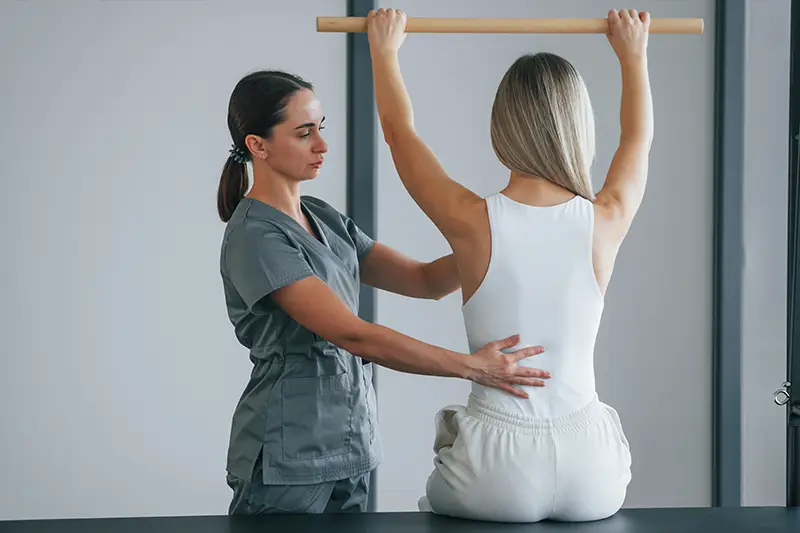
Conditions Treated
Post-trauma rehabilitation may be recommended following:
- Bone fractures
- Joint dislocations
- Ligament and tendon injuries
- Muscle injuries and soft tissue trauma
- Sports-related injuries
- Multiple trauma injuries
- Post-surgical recovery following traumatic injuries
- Mobility limitations after accidents or falls
Contact Us Today!
Your path to a healthier life starts here—contact us and let’s take the first step together.
Common Symptoms After Trauma
Patients may experience:
- Pain and swelling
- Reduced mobility
- Muscle weakness
- Joint stiffness
- Balance and coordination problems
- Difficulty walking or performing daily activities
- Functional limitations affecting work and sports participation
Goals of Treatment
The primary goals of rehabilitation include:
- Reducing pain and swelling
- Restoring joint mobility and flexibility
- Improving muscle strength and endurance
- Enhancing balance and coordination
- Promoting safe healing and tissue recovery
- Restoring functional independence
- Supporting a safe return to work, sports, and daily activities
Treatment Approach
Each rehabilitation program is individually tailored according to the type of injury, healing stage, and patient goals.
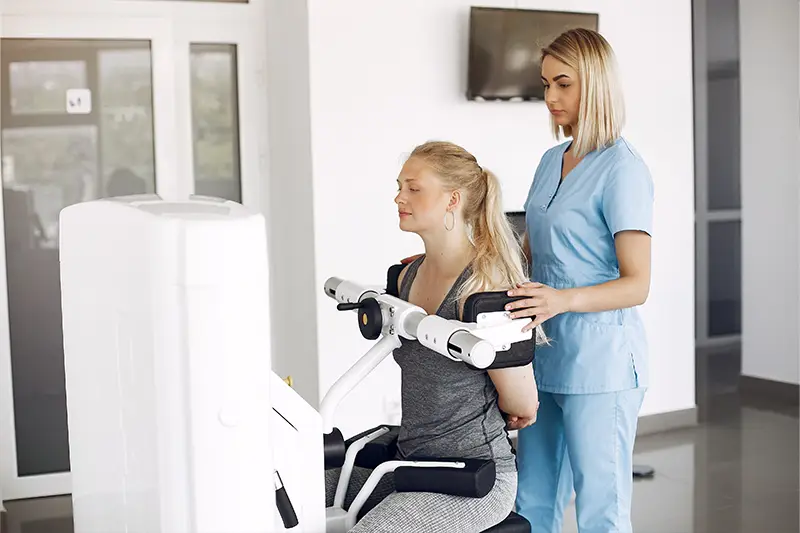
- Exercise therapy
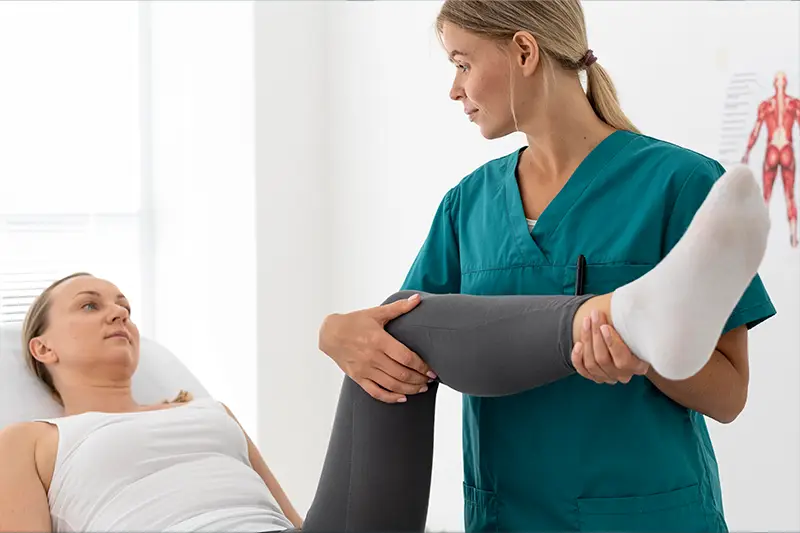
- Manual therapy
- Electrotherapy and advanced physical therapy modalities
- Gait training
- Balance and coordination exercises
- Functional rehabilitation programs
- Clinical Pilates (when appropriate)
- Postural and movement retraining
Who Can Benefit?
Post-trauma rehabilitation is suitable for:
- Individuals recovering from fractures or dislocations
- Patients after traumatic injuries or accidents
- Individuals with mobility limitations following injury
- Athletes recovering from sports-related trauma
- Patients requiring post-surgical rehabilitation after trauma
Treatment Process
The duration of rehabilitation depends on the severity of the injury, the affected body region, and individual recovery goals.
Treatment usually progresses through different phases, beginning with pain management and mobility restoration, followed by strengthening, functional training, and return-to-activity programs.
Regular assessment ensures that the rehabilitation plan evolves according to the patient’s recovery progress.
Frequently Asked Questions (FAQ)
Rehabilitation should begin as early as medically appropriate to prevent complications and promote optimal recovery.
Recovery time varies depending on the severity of the injury and the patient's overall condition. Some patients recover within weeks, while others may require several months.
Mild discomfort may occur during rehabilitation, but treatment is carefully adjusted to ensure safe and comfortable progress.
Yes. Rehabilitation is essential for restoring mobility, flexibility, and strength following fractures and other traumatic injuries.
No. Many traumatic injuries can be successfully managed without surgery, while others may require rehabilitation following surgical treatment.
