
Degenerative Disc Disease Treatment
What is Degenerative Disc Disease?
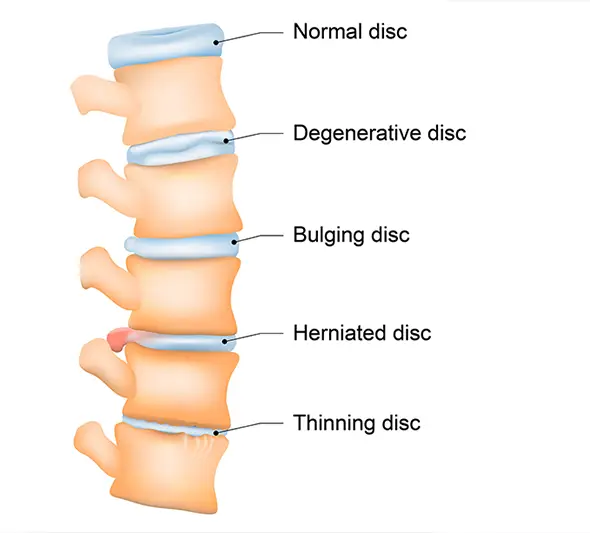
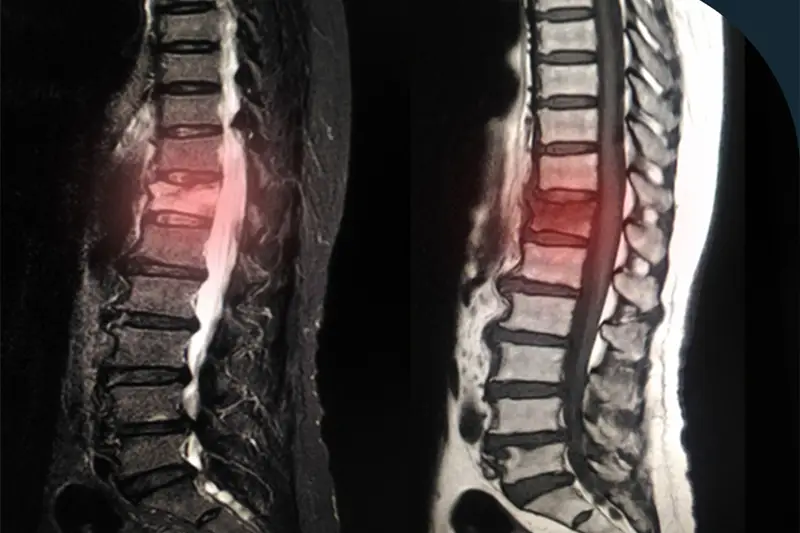
Degenerative Disc Disease (DDD) is a condition that occurs when the intervertebral discs gradually lose their hydration, elasticity, and shock-absorbing capacity over time.
Although it is a natural part of aging, disc degeneration can lead to pain, stiffness, reduced mobility, and functional limitations. Degenerative changes most commonly affect the cervical (neck) and lumbar (lower back) regions of the spine.
We’d Love to Help.
Fill the Form and We’ll Be in Touch

Symptoms
Common symptoms of degenerative disc disease include:
- Chronic neck or lower back pain
- Pain that worsens with prolonged sitting or standing
- Stiffness and reduced spinal mobility
- Pain radiating into the arms or legs
- Muscle spasms and tension
- Difficulty performing daily activities
- Episodes of recurring pain
Contact Us Today!
Your path to a healthier life starts here—contact us and let’s take the first step together.
Causes and Risk Factors
Degenerative disc disease may develop due to:
- Natural aging processes
- Repetitive spinal loading
- Previous spinal injuries or trauma
- Poor posture
- Sedentary lifestyle
- Smoking
- Excess body weight
- Genetic predisposition
Goals of Treatment
The primary goals of treatment include:
- Reducing pain and discomfort
- Improving spinal mobility and flexibility
- Enhancing muscle strength and stability
- Supporting healthy movement patterns
- Improving functional capacity
- Preventing further degeneration and recurrent symptoms
Treatment Approach
Most patients with degenerative disc disease can be successfully managed without surgery through conservative rehabilitation methods.
- Exercise therapy and spinal stabilization exercises
- Manual therapy
- Clinical Pilates
- Electrotherapy and advanced physical therapy modalities
- Postural correction and ergonomic training
- Dry needling (when appropriate)
- Pain management programs
- Functional rehabilitation
Who Can Benefit?
Degenerative disc disease rehabilitation is suitable for:
- Individuals with chronic neck or back pain
- Patients with reduced spinal mobility
- People experiencing recurrent episodes of pain
- Individuals seeking non-surgical treatment options
- Patients aiming to maintain an active lifestyle
Treatment Process
The duration of treatment varies depending on symptom severity, the degree of degeneration, and individual rehabilitation goals.
Many patients experience noticeable improvement within several weeks of structured rehabilitation. Long-term success depends on regular exercise, posture correction, and healthy lifestyle habits.
Frequently Asked Questions (FAQ)
Yes. Some degree of disc degeneration is common with aging, but not everyone develops symptoms.
The structural changes cannot usually be reversed, but symptoms can often be effectively managed through rehabilitation and lifestyle modifications.
Most patients achieve significant improvement with conservative treatment and do not require surgery.
Yes. Exercise is one of the most important components of treatment and helps support spinal stability and function.
Yes. In some cases, disc degeneration may contribute to nerve irritation or compression, leading to pain, numbness, or weakness.
Yes. However, regular exercise, good posture, and proper spinal care can significantly reduce the risk of recurrence.
