
Nerve Compression Treatment
What is Nerve Compression?
Nerve compression occurs when a nerve is subjected to excessive pressure from surrounding structures such as muscles, tendons, ligaments, bones, or intervertebral discs.
This pressure can interfere with the normal function of the nerve, resulting in symptoms such as pain, numbness, tingling, weakness, and reduced functional capacity. Early diagnosis and appropriate treatment are important to prevent long-term nerve damage and functional impairment.
We’d Love to Help.
Fill the Form and We’ll Be in Touch
Symptoms
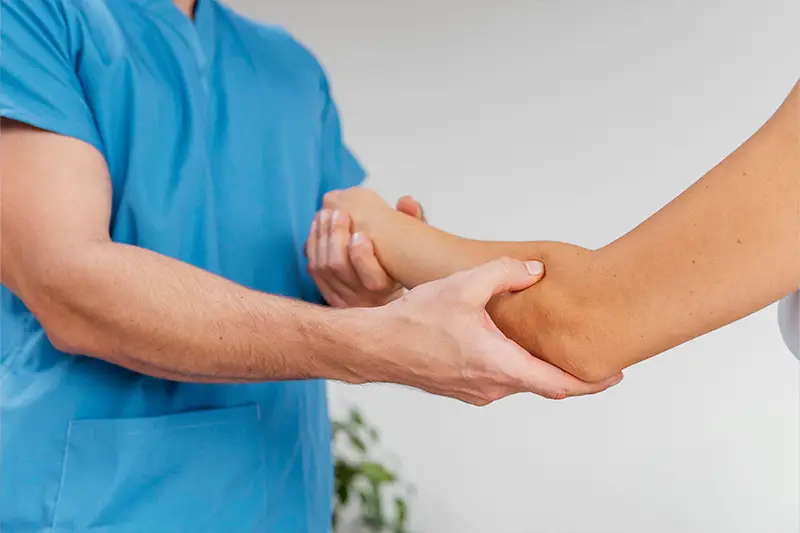
Common symptoms of nerve compression include:
- Numbness and tingling sensations
- Burning, shooting, or electric shock-like pain
- Localized or radiating pain
- Muscle weakness
- Reduced grip strength or limb function
- Limited mobility and functional restrictions
Symptoms may vary depending on the affected nerve and the severity of compression.
Contact Us Today!
Your path to a healthier life starts here—contact us and let’s take the first step together.
Common Types of Nerve Compression
Common nerve compression conditions include:
- Carpal Tunnel Syndrome (median nerve compression at the wrist)
- Cervical radiculopathy caused by cervical disc herniation
- Lumbar radiculopathy caused by lumbar disc herniation
- Ulnar nerve compression at the elbow (Cubital Tunnel Syndrome)
- Sciatic nerve compression
- Peripheral nerve entrapment syndromes
Causes and Risk Factors
Nerve compression may develop due to:
- Repetitive movements and overuse
- Prolonged positioning in the same posture
- Poor posture and ergonomic problems
- Trauma and injuries
- Disc herniations
- Muscle tightness and connective tissue restrictions
- Joint degeneration and osteoarthritis
- Occupational or sports-related strain
Goals of Treatment
The primary goals of treatment include:
- Reducing pressure on the affected nerve
- Relieving pain and neurological symptoms
- Preserving and restoring muscle function
- Improving mobility and movement quality
- Preventing permanent nerve damage
- Supporting a safe return to daily activities

Treatment Approach
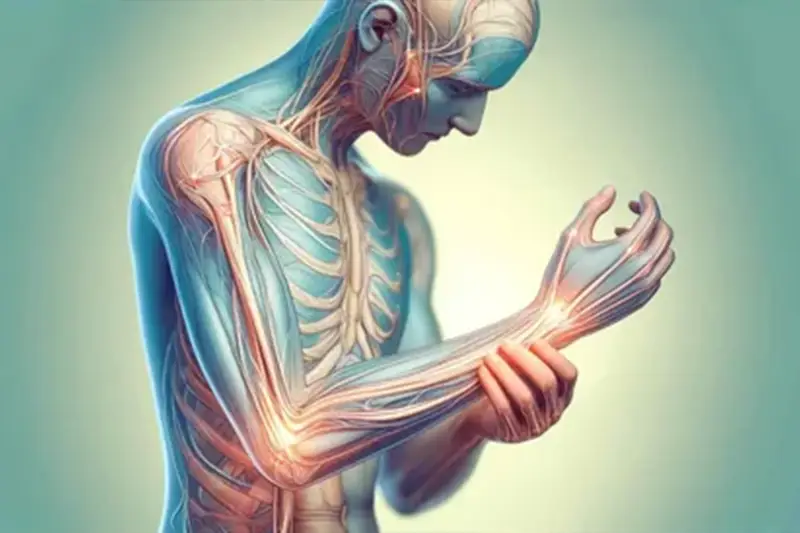
Many cases of nerve compression can be successfully managed through conservative rehabilitation methods without surgery.
- Exercise therapy
- Manual therapy
- Electrotherapy
- Dry needling (when appropriate)
- Postural correction and ergonomic training
- Nerve mobilization and neurodynamic techniques
- Functional rehabilitation programs
Treatment is individualized according to the location and severity of nerve involvement.
Who Can Benefit?
Nerve compression rehabilitation is suitable for:
- Individuals experiencing numbness or tingling
- Patients diagnosed with nerve compression syndromes
- People with muscle weakness related to nerve dysfunction
- Individuals with pain radiating into the arms or legs
- Patients seeking non-surgical treatment options

Treatment Process
The duration of treatment varies depending on the severity and duration of symptoms.
With early intervention, many patients experience significant improvement within a few weeks. Regular follow-up, adherence to rehabilitation programs, and correction of contributing factors are essential for long-term success.
The Medworld Approach
At Medworld Health & Rehabilitation Center, nerve compression treatment is based on a comprehensive clinical assessment and personalized rehabilitation planning.
Our goal is to relieve pressure on affected nerves, restore normal function, reduce pain, and help patients return safely to their daily activities and active lifestyles.
Frequently Asked Questions (FAQ)
Yes. Many patients recover successfully with conservative treatment and rehabilitation without requiring surgery.
Recovery time varies depending on the cause and severity of the compression, but many patients notice improvement within a few weeks.
Yes. Properly prescribed exercises can help relieve pressure on nerves, improve mobility, and support recovery.
Many patients experience significant improvement, although recovery depends on the duration and severity of nerve compression.
Yes. However, maintaining good posture, regular exercise, and ergonomic habits can significantly reduce the risk of recurrence.
Surgery may be considered when symptoms are severe, progressive muscle weakness develops, or conservative treatment fails to provide adequate relief.
