
Electrotherapy
What is Electrotherapy?
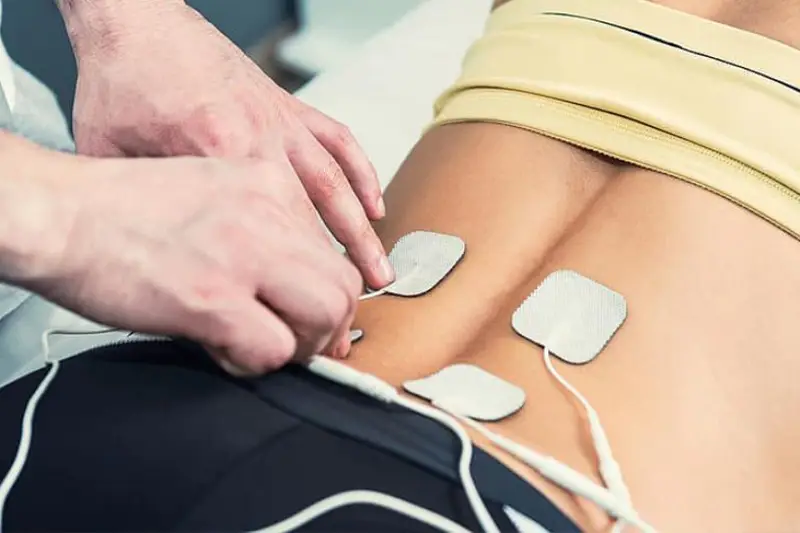
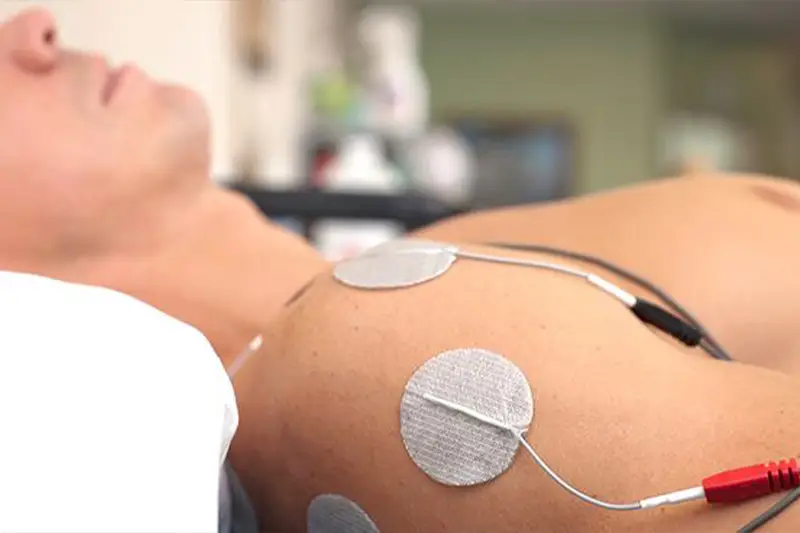
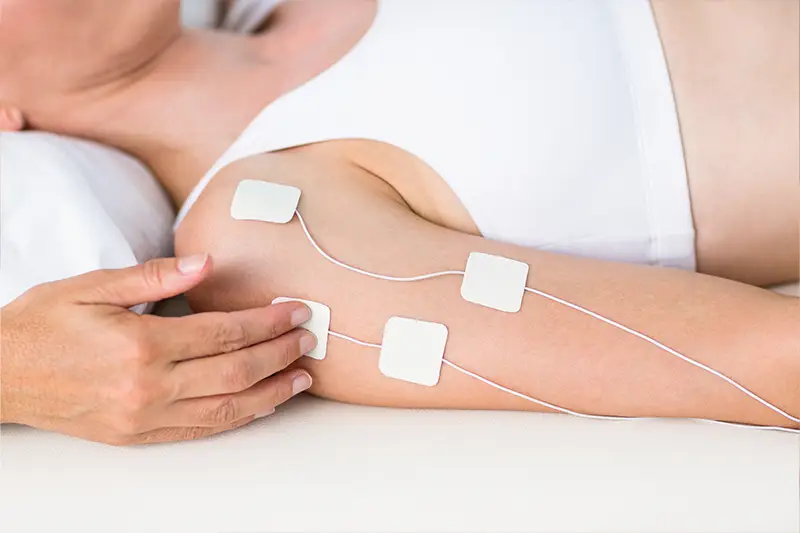
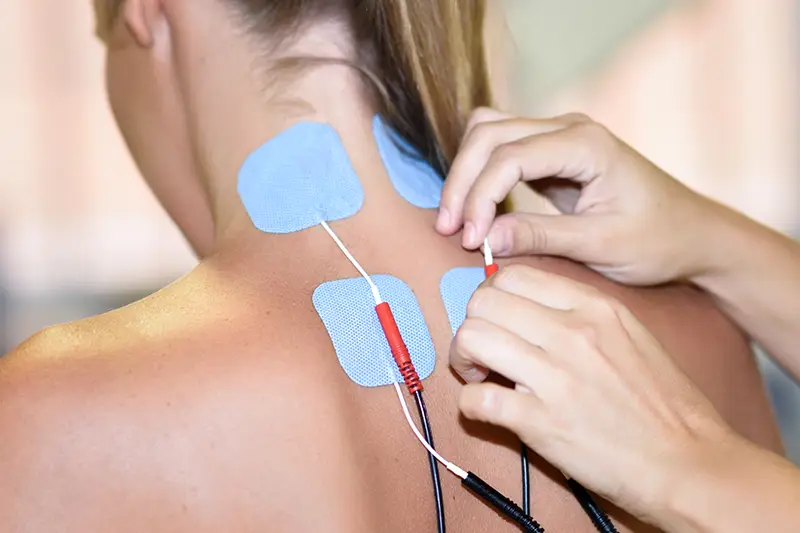
Electrotherapy is a non-invasive physical therapy modality that uses controlled electrical currents to produce therapeutic effects on nerves, muscles, and soft tissues.
It is widely used in rehabilitation programs to help reduce pain, improve muscle function, support circulation, and facilitate recovery from injury or surgery.
We’d Love to Help.
Fill the Form and We’ll Be in Touch
Mechanism of Action
Depending on the type of electrical current used, electrotherapy may help:
- Reduce pain through modulation of nerve signals
- Stimulate muscle contractions and improve muscle activation
- Support local blood circulation
- Assist in reducing swelling (edema)
- Promote tissue recovery and rehabilitation
- Improve neuromuscular function
These effects can contribute to recovery in both acute and chronic conditions.
Contact Us Today!
Your path to a healthier life starts here—contact us and let’s take the first step together.
Types of Electrotherapy
Different types of electrical currents may be used depending on the patient’s condition and treatment goals:
- TENS (Transcutaneous Electrical Nerve Stimulation)
- EMS (Electrical Muscle Stimulation)
- Interferential Current Therapy (IFT)
- Galvanic Current Therapy
- Neuromuscular Electrical Stimulation (NMES)
Conditions Treated
Electrotherapy may be used as part of treatment programs for:
- Muscle and joint pain
- Muscle weakness and atrophy
- Nerve injuries and nerve-related conditions
- Sports injuries
- Post-surgical rehabilitation
- Edema and circulation-related conditions
- Chronic musculoskeletal pain
Goals of Treatment
The primary goals of electrotherapy include:
- Reducing pain and discomfort
- Supporting muscle function and activation
- Improving circulation
- Assisting in the management of swelling
- Supporting tissue recovery
- Enhancing functional rehabilitation outcomes
Who Can Benefit?
Electrotherapy may be suitable for:
- Individuals with muscle and joint pain
- Patients experiencing muscle weakness
- Individuals undergoing rehabilitation after injury or surgery
- Patients with neuromuscular conditions
- People seeking additional support during recovery
Precautions
Electrotherapy should be avoided or carefully evaluated in the following situations:
- Individuals with pacemakers or implanted electronic devices
- Pregnancy (depending on the treatment area)
- Active infections or untreated wounds
- Areas with significantly impaired sensation
- Certain cardiac conditions
Frequently Asked Questions (FAQ)
No. Most patients experience only a mild tingling sensation or gentle muscle contractions during treatment.
The number of sessions varies depending on the condition being treated and the individual's response to therapy.
Many patients notice improvements after several treatment sessions, particularly when electrotherapy is combined with other rehabilitation methods.
Electrotherapy is usually most effective when combined with exercise therapy, manual therapy, and other rehabilitation treatments.
When applied correctly by qualified professionals, electrotherapy is generally considered safe and well tolerated.
Yes. Certain forms of electrotherapy, such as EMS and NMES, can support muscle activation and strengthening during rehabilitation.
